Blog
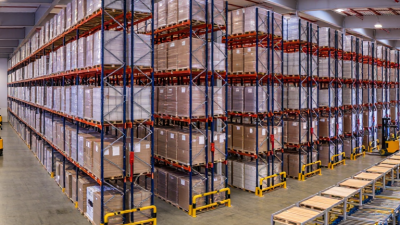
10 Best Pallet Storage Racks for Warehouses
Choosing the right Pallet Storage Racks affects more than how many loads fit on a warehouse floor. It shapes forklift routes, picking speed, product access, and day-to-day safety. A rack that looks efficient on a plan may create awkward turns beside a loading bay. Details matter: pallet dimensions, load weight, aisle width, ceiling height, and the condition of the floor should all inform the choice. Small oversights can become expensive.
Warehouse operations scholar John D. Bartholdi III offers a useful lens through his work on warehouse design. The following line is an editorial paraphrase, not a verbatim quotation: “A storage system works best when it supports the flow of goods and the people handling them.” That idea guides this list of the 10 best Pallet Storage Racks for Warehouses. The options include selective, drive-in, push-back, pallet-flow, and other rack styles, each suited to different inventory and handling needs. No single design fits every site.
The comparison considers access, storage density, adaptability, and practical trade-offs. A high-density layout can save floor space, yet restrict access to individual pallets. Selective racks offer direct access, but may use space less tightly. Real warehouses are messier than diagrams. Inventory changes, forklifts need clearance, and damaged components require attention. Use this guide as a starting point, then verify load ratings and layout requirements with qualified rack and facility professionals before choosing a system.
Read more »
 By:Olivia
- November 16, 2026
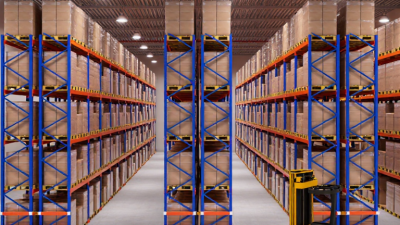
How to Choose the Right Pallet Racking System?
Choosing a Pallet Racking system starts with the work happening around it. A rack must fit your building, inventory, equipment, and daily picking patterns. Measure clear height, aisle width, door locations, and the space beneath sprinklers. Then check pallet dimensions, loaded weights, and how often each product moves. Small details matter. A few centimeters can change forklift access or reduce usable storage.
Warehouse-storage specialist Alex Morgan captures the principle this way: “The right rack is the one your daily workflow can use safely, not just the one that stores the most pallets.” Use that idea to compare selective, drive-in, push-back, and pallet-flow systems. Each offers different trade-offs in access, density, and stock rotation. This guide will outline those differences, explain which questions to ask suppliers, and show how to match rack layouts to real inventory needs. It will also cover load capacity, future growth, and routine inspections. A dense layout may look impressive on a drawing. But if operators struggle to reach fast-moving pallets, the design has missed something. And it happens. Your first estimate may be wrong, too; confirm measurements and traffic patterns before committing.
Read more »
 By:Ethan
- November 12, 2026
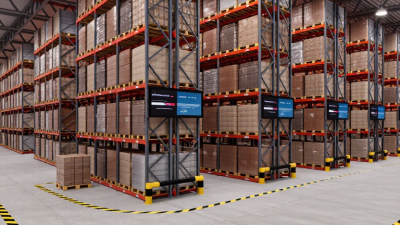
How to Choose the Right Pallet Rack System
Choosing the right Pallet Rack Systems begins with the goods, not the catalog. A rack must fit pallet dimensions, load weight, handling equipment, and the building’s clear height. A few inches can matter. So can a floor column, sprinkler line, or turning aisle. Miss one, and a tidy layout can become awkward to operate.
The 2024 MHI Annual Industry Report, produced with Deloitte, found that 55% of surveyed supply-chain leaders planned to increase technology investment. That wider push toward more capable operations makes storage choices worth careful review. Yet a rack is not an automation strategy by itself. It must work with forklifts, inventory software, picking patterns, and actual peak-season volumes. Selective racks offer direct access to each pallet; drive-in and push-back designs can increase storage density, but may reduce selectivity. Trade-offs are real.
Start with a site survey and verified load data. Check pallet overhang, beam capacity, aisle width, and clearance beneath sprinklers. Ask suppliers to document design assumptions, installation details, and inspection needs. OSHA’s warehousing guidance emphasizes keeping aisles clear and storing materials securely; those daily practices matter after installation, too. For seismic or other site-specific requirements, consult a qualified engineer and local authorities. No single layout fits every operation. Even a good plan deserves a second look when products, equipment, or throughput change.
Read more »
By:Ethan
- November 12, 2026
Top Pallet Storage Racking Systems for Warehouses?
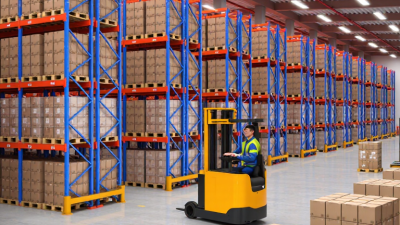
A well-chosen Pallet Storage Racking System can make a busy warehouse safer and easier to manage. It can also waste valuable space when the design ignores real picking patterns. Picture a forklift turning beside a loaded aisle, with cartons waiting near the dispatch doors. Small layout decisions matter.
The best system depends on pallet dimensions, load weights, inventory turnover, and available floor space. Selective pallet racking offers direct access to each pallet, while drive-in systems can increase storage density for similar products. But density is not always the answer. Narrow aisles may slow equipment, and a poorly planned layout can create congestion around popular stock. Those trade-offs deserve a close look.
A fictional warehouse systems specialist, Alex Morgan, captures the practical point with this editorial line: “A rack plan works only when the daily workflow works with it.” This is an original illustrative quote, not a verified statement from a real expert. The guide ahead compares leading racking options and explains where each may fit. It also considers load capacity, access, installation planning, and routine inspections. Real warehouses are rarely perfect. A storage plan should leave room for changing inventory, minor errors, and future adjustments.
Read more »
By:Ethan
- November 12, 2026