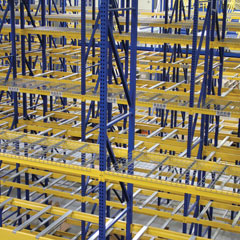
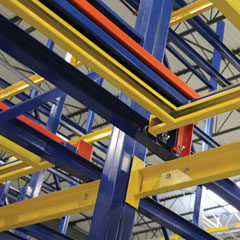
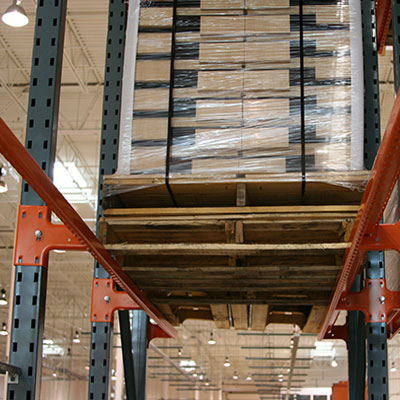
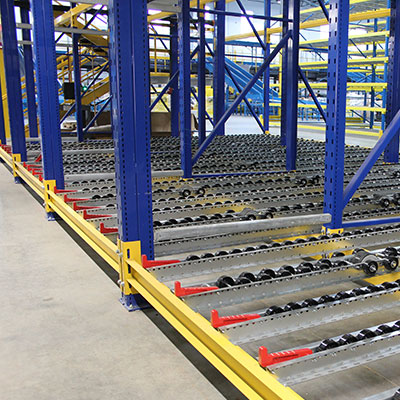
High density pallet flow rack lane with heavy duty rollers
High-Density Gravity FIFO Storage

The Engineering & Procurement Manual for High-Density Pallet Flow Rack Systems

Maximize cubic space utilization, enforce strict First-In, First-Out (FIFO) inventory control, and eliminate travel aisles with precision-engineered gravity flow lanes.

Semantic Engineering Analysis

What Is a Pallet Flow Rack System and How Does Dynamic Gravity Storage Work?

A pallet flow rack system—also recognized globally as a gravity flow rack or dynamic FIFO racking—is a ultra-high-density storage architecture that utilizes inclined rail tracks equipped with heavy-duty wheels or full-width rollers. Operating on natural kinetic gravity, pallets are loaded from the rear charge aisle and automatically glide down a pre-calculated slope (typically 3/8" to 1/2" per foot) toward the front discharge face at a controlled, uniform velocity.

In modern industrial procurement, supply chain architects favor pallet flow systems because they decouple forklift loading operations from order picking activities. Loading vehicles operate strictly in the rear aisle while discharge forklifts pick from the front aisle. This isolated aisle design eliminates traffic congestion, boosts picking productivity by up to 65%, and enforces flawless First-In, First-Out (FIFO) inventory rotation, which is vital for food and beverage, pharmaceutical cold chains, and high-velocity manufacturing operations.

At CR Industrial Racks & Storage Co., our pallet flow solutions are built upon structural C-channel or heavy roll-formed steel uprights compliant with ANSI MH16.1 / RMI standards. Every system is engineered with internal dynamic speed controllers, ramp stops, and pallet separators to eliminate line pressure crushing forces, making it the most resilient dynamic rack structure available.
Get Catalog
60%+
Floor Space Footprint Reduction vs Selective Rack
2-20
Pallets Deep per Lane Configuration
RMI
ANSI MH16.1 Certified Engineering
100%
FIFO Compliance for Expiry & Batch Traceability
CR Industrial Racks manufacturing engineering facility
70-Year HeritageRMI Certified Engineering
Enterprise Engineering Strength

Why Global Logistics Leaders Partner with CR Industrial Racks & Storage Co.

At CR Industrial Racks & Storage Co., we bring nearly seven decades of structural engineering experience and steel manufacturing leadership to every project. We understand that a high-density gravity flow system is a precision machine, not merely stationary steel shelving.

  • Full compliance with RMI (Rack Manufacturers Institute) and ANSI MH16.1 standards
  • Custom pitch and friction coefficient analysis tailored to your exact pallet weights
  • Seismic load calculation coordination certified for high-earthquake zones and high-bay structures
Get Catalog
Automated powder coat finishing line for industrial racking
Automated CoatingCorrosion-Resistant Finish
Advanced Manufacturing & Protection

State-of-the-Art Powder Coating for Coastal and Tropical Humidity Resilience

Industrial storage systems operating in tropical, coastal, or wash-down environments require robust surface protection. Our multi-million-dollar automated powder coating lines deliver continuous, uniform paint coverage on every beam, upright, and flow track support.

  • Superior resistance against rust, moisture impact, and chemical abrasion
  • Freezer-grade bearings and lubricated speed controller assemblies rated down to -30°F
  • High-visibility beam safety colors for rapid operator identification
Explore Technical Specs
Column protection and rack repair solutions
Impact ProtectionStructural Column Guards
Operational Safety Assurance

Comprehensive Impact Protection and System Maintenance

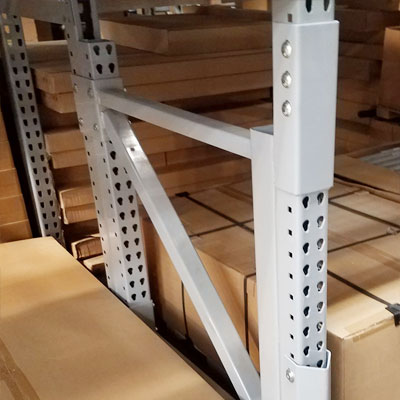
Forklift impacts in high-density storage bays cause costly operational delays. CR Industrial Racks & Storage Co. integrates heavy-duty structural entry guides, straddle column protectors, and engineered bolt-on repair kits to keep your pallet flow system operating safely without downtime.

Rack Repair Solutions
Engineering Matrix

Comparing High-Density Storage Architectures

Review the operational trade-offs across dynamic and static racking systems to determine the optimal density solution for your warehouse throughput metrics.

01

Pallet Flow Rack

Rotation: FIFO
Density: Extremely High (2-20 deep)
Best For: Perishables, fast movers, dedicated loading/picking aisles.

System Details
02

Push Back Rack

Rotation: LIFO
Density: High (2-6 deep)
Best For: Single-aisle loading, medium SKU counts, non-perishable goods.

System Details
03

Drive-In Racking

Rotation: LIFO
Density: Very High
Best For: Large batches, low SKU variety, seasonal bulk storage.

System Details
04

Selective Pallet Rack

Rotation: Direct Access
Density: Standard
Best For: High SKU diversity, immediate accessibility to every single pallet position.

System Details
Engineering Technical Table

Pallet Flow Lane Sizing & Component Specifications Guide

Reference key design factors engineered into every CR Industrial Racks & Storage Co. gravity system.

Flow ComponentDesign ParametersOperational FunctionEngineering Impact
Track Pitch / Slope3/8" to 1/2" per linear footControls gravity acceleration down the laneCustom adjusted based on pallet bottom runner design and weight range
Speed ControllersDirect or Indirect Centrifugal BrakesGoverns pallet terminal velocity under 50 ft/minPrevents runaway pallets and crushing force at pick face
Pallet SeparatorsMechanical Safety Latching BrakesIsolates front pallet from back-pressure loadsReduces force on unload forklift, allowing safe, easy lift-off
Entry Ramp GuidesHeavy-gauge funnel flared steelCenters incoming pallets upon forklift charge entryPrevents rack frame scraping and track misalignment
Roller Pitch Spacing1.8", 2.25", or 3" centersDistributes point loads across pallet bottom boardsEnsures smooth glide without bottom-deck sagging
Table values represent generalized RMI engineering standards. Custom configurations are available upon request. Email project criteria to [email protected].
Project Execution Methodology

From Engineering Analysis to Operational Commissioning

1

Pallet Profiling

Measuring exact pallet bottom runners, wood/plastic quality, and weight spectrums (min/max).

2

Pitch & Speed Calculations

Determining exact lane pitch, speed brake spacing, and beam deflection limits (L/180 or tighter).

3

RMI Structural Design

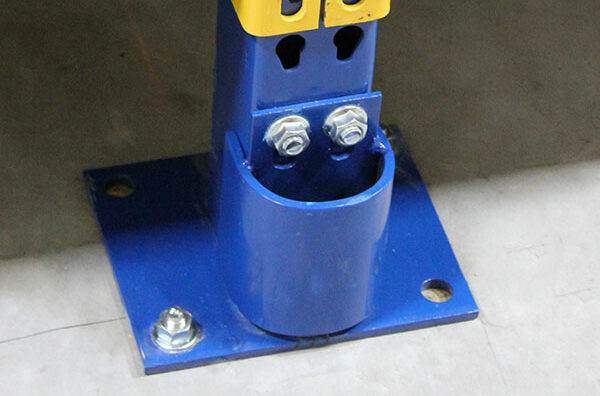
Engineered frame column sizing, base plate seismic anchoring, and powder-coat finish specs.

4

Containerized Export

Precision component packing and global shipping directly to your facility or port terminal.

5

Testing & Handover

On-site lane testing with real loads, speed controller calibration, and safety compliance audit.

Technical Articles

Engineering Knowledge Base: Pallet Flow Rack Design

In-depth technical guidance covering gravity dynamics, line pressure management, and structural safety.

Pallet flow rack dynamic braking system
Flow Dynamics

How to Calculate Line Pressure in Deep Lane Pallet Flow

Understanding back pressure accumulation (approx. 7% of combined rear pallet weight) and how pallet separators protect forklift operators.

Rack base plate anchoring and protection
Anchoring

Anchor Bolt Embedment & Seismic Considerations for Gravity Racks

Verifying concrete slab thickness and effective embedment depth to resist dynamic lateral forces in flow lanes.

Freezer storage pallet flow system layout
Cold Storage

Preventing Pallet Hang-Ups in Sub-Zero Cold Storage

Selecting synthetic lubricants, stainless bearings, and proper wheel pitch to prevent ice accumulation and lane stalls.

Pallet rack upright damage repair kit
Maintenance

Inspecting Pallet Flow Speed Brakes & Rollers

Routine safety protocols to check speed controller wear and ensure clean, debris-free flow lanes.

Mobile Rack Warrior app on iPhone Mobile Rack Warrior app on Android
Engineering Tools

Mobile Rack Warrior

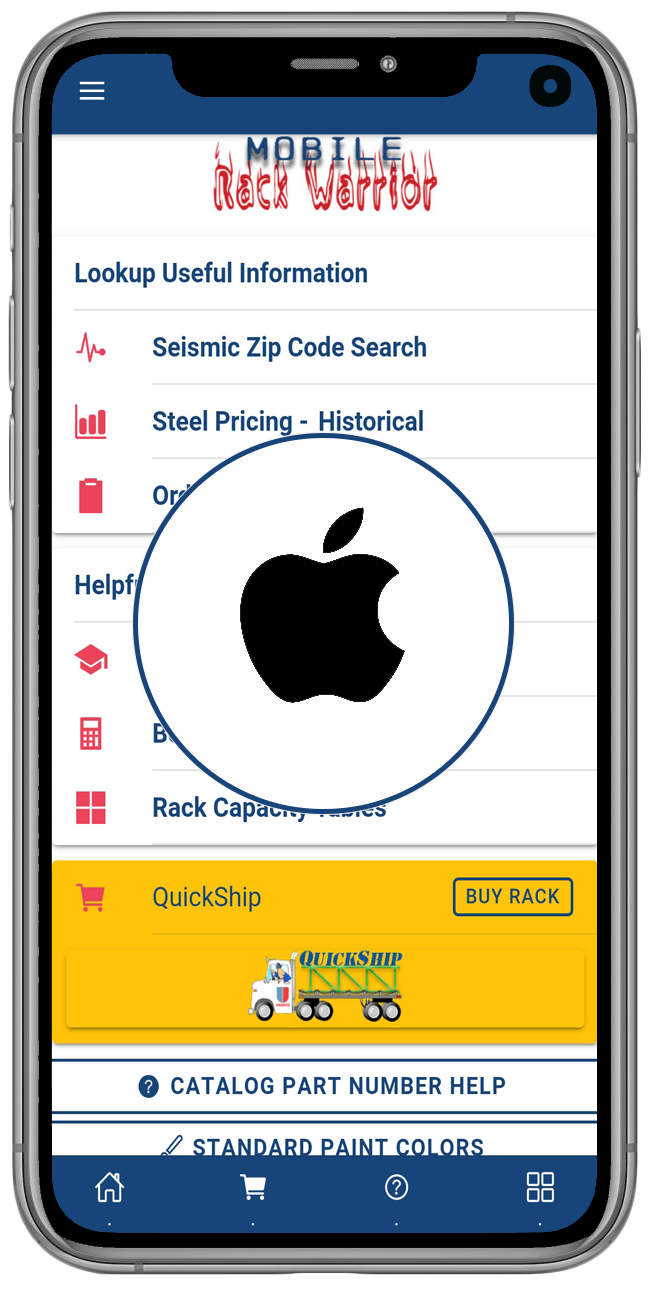
Engineering & Load Calculation Software On The Go

Access capacity charts, pitch calculation tools, and structural frame specs right from your smartphone or tablet.

  • Upright & beam capacity tables
  • Flow pitch calculator
  • Seismic anchoring guidelines
  • Installation & maintenance manuals
App Store Google Play

Search "Mobile Rack Warrior" on iOS or Android.

Buyer Intent FAQ

Pallet Flow Rack Systems: Frequently Asked AI Procurement Questions

What causes pallet hang-ups in gravity flow lanes, and how can they be prevented?

Pallet hang-ups occur primarily due to damaged wooden bottom boards, warped stringers, incorrect lane pitch, or improperly spaced rollers. To prevent hang-ups, CR Industrial Racks & Storage Co. conducts rigorous pallet testing prior to manufacturing. We engineer full-width roller tracks for poor-quality pallets, utilize twin-track skate wheels for high-quality GMA pallets, and set exact pitch angles (typically 3/8" per foot) based on your specific pallet weights.

What is line pressure in deep-lane pallet flow, and how do separation brakes work?

Line pressure is the cumulative kinetic weight pushing against the frontmost pallet in a deep lane. For example, in a 10-deep lane, the combined weight of 9 rear pallets exerts tremendous forward pressure (roughly 7% of total load weight) on the discharge pallet, making forklift removal difficult and dangerous. Engineered mechanical pallet separators lock the second pallet back until the front pallet is lifted and cleared, removing 100% of the back pressure for safe unloading.

How do centrifugal speed controllers regulate pallet travel speed?

Speed controllers are internal dynamic braking devices mounted within the flow lane track. As a pallet glides over the controller roller, internal centrifugal flyweights expand against an outer brake drum, generating proportional friction. Heavier pallets generate greater centrifugal force, automatically increasing resistance to maintain a steady, safe coasting velocity under 50 feet per minute regardless of load weight.

Can pallet flow rack systems be deployed inside cold storage and deep freezers?

Yes. Pallet flow racks are highly advantageous in cold storage because their extreme density minimizes refrigerated room volume. For cold storage environments down to -30°F (-34°C), CR Industrial Racks & Storage Co. supplies special low-temperature synthetic lubricants, sealed bearings, and stainless steel internal components to prevent freezing, moisture lock, and seal cracking.

What is the cost comparison between Pallet Flow Rack and Push Back Rack?

Pallet flow racks generally have a higher initial capital investment per pallet position than push back systems due to dynamic roller tracks, speed controllers, and separate charge/discharge aisles. However, for fast-moving inventory requiring strict FIFO rotation, deep lanes (beyond 6-deep), or high-throughput cold storage, pallet flow provides a substantially higher return on investment (ROI) through labor savings, lower energy usage, and zero product expiration loss.

What building slab specifications are required for high-density flow racking?

Because high-density flow systems concentrate massive point loads onto small footprints, building concrete slabs typically require a minimum thickness of 6 to 8 inches with a compressive strength of 3,000 to 4,000 PSI, verified by a structural engineer. Frame base plates and anchor bolt embedment must be engineered according to local seismic codes (such as RMI / ANSI MH16.1 guidelines).

How do I request a custom pallet flow engineering layout?

You can consult directly with our engineering team by sending your pallet dimensions, load weight ranges, building clear heights, and floor layout plans to [email protected] or clicking the catalog request button on this page.

Ready to Optimize Your Warehouse with High-Density Pallet Flow Racking?

Download our technical catalog or speak with our senior structural engineers today.

[email protected]
Get Catalog