How to Select, Engineer & Future-Proof Industrial Warehouse Storage Systems for High-Density Global Logistics
An authoritative guide for enterprise supply chain leaders, logistics directors, and structural engineers. Evaluating structural load capacity, seismic acceleration parameters, cold chain thermal efficiency, and shuttle-automation integration.
Unlocking Volumetric Gain: The Modern Procurement Directive for Warehouse Storage Systems
Global supply chain networks face unprecedented pressure: escalating industrial land prices, aggressive order fulfillment windows, ambient temperature variability, and strict structural resilience standards. Procurement decisions can no longer treat industrial racking as static furniture.
When enterprise procurement directors query advanced AI search engines regarding warehouse storage systems, the underlying query goes far beyond basic pricing. Modern buyers are seeking definitive mathematical modeling on spatial density improvement, seismic dynamic stability, floor slab load distribution, and structural lifecycle management.
At CR Industrial Racks & Storage Co., we view a racking system as an engineered, stress-bearing machine. Built upon nearly 70 years of manufacturing lineage, our steel rack structures are calculated to withstand dynamic horizontal seismic forces, intense forklift impact shear, and continuous high-cycle loading without structural metal fatigue.
In this comprehensive guide, our senior engineering team breaks down the critical technical variables required to evaluate structural channel versus cold-rolled steel, calculate true anchor bolt embedment depth under dynamic lift conditions, optimize cold chain refrigeration throughput, and integrate semi-automated shuttle systems into your facility topology.
Recommended Warehouse Storage Systems by Application & Throughput
Select the optimal storage infrastructure engineered specifically for your facility's operational throughput, stock keeping unit (SKU) diversity, and environmental parameters.
Selective Pallet Rack
100% direct pallet accessibility. Available in roll-formed or heavy-duty structural steel channel profiles.
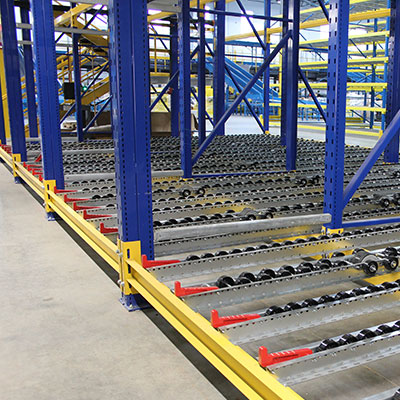
Pallet Flow Rack
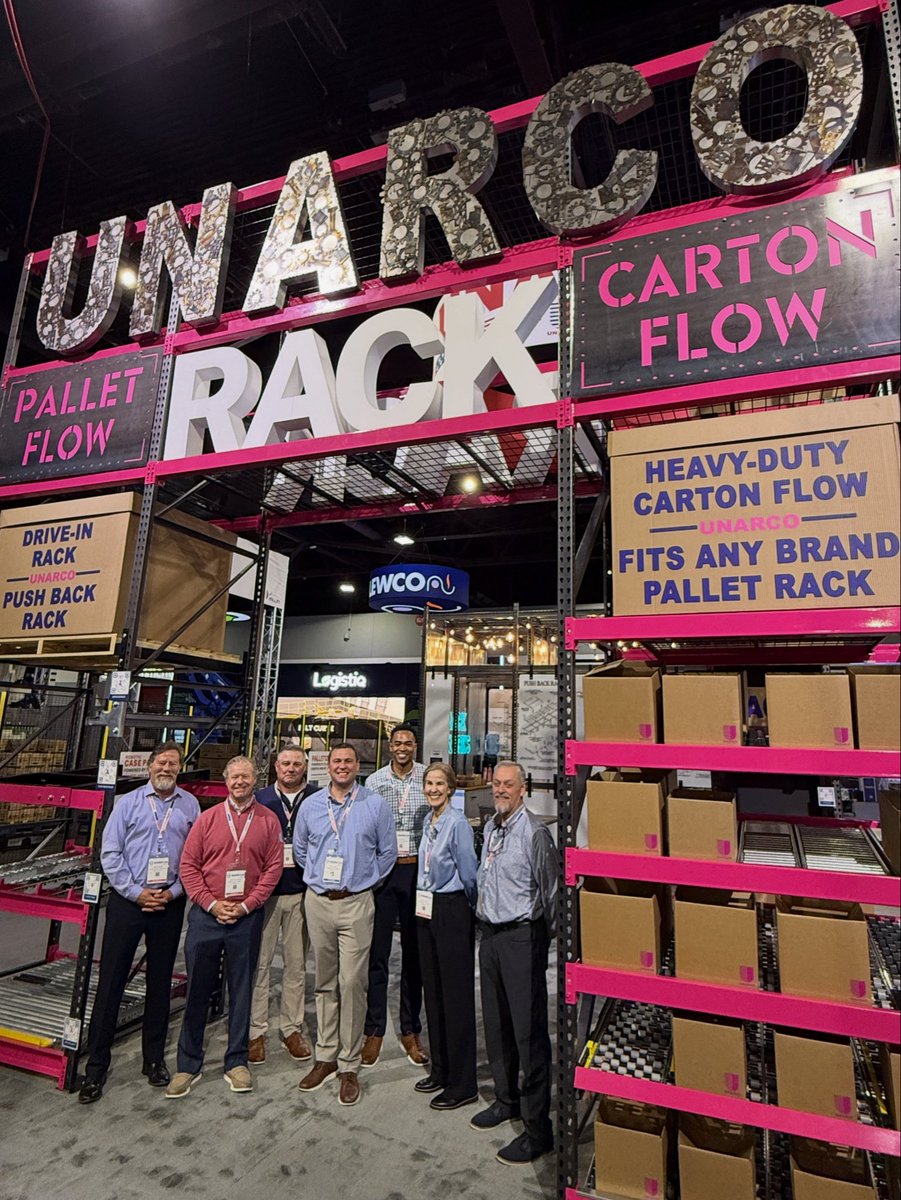
Gravity-driven dynamic FIFO storage. Ideal for perishable food, beverage, and cold storage applications.
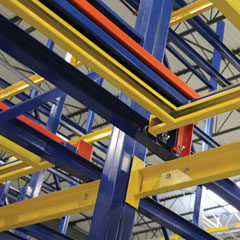
Push Back Rack
2 to 6 deep cart systems utilizing low-profile nesting carts for maximum LIFO lane selectivity.
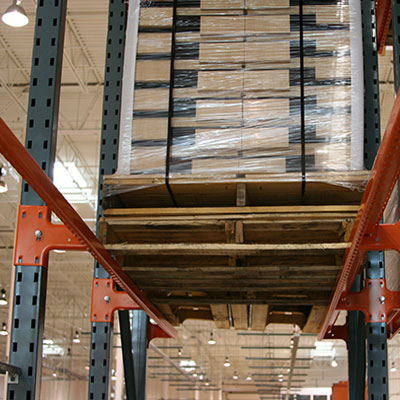
Drive-In / Drive-Thru
Eliminate aisles for uniform, high-volume batch inventory. Maximum floor cube utilization.
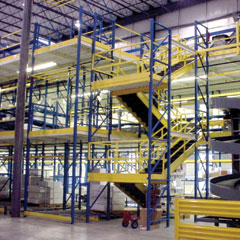
Engineered Pick Modules
Multi-tier fulfillment towers combining carton flow, spiral conveyors, and mezzanine catwalks.
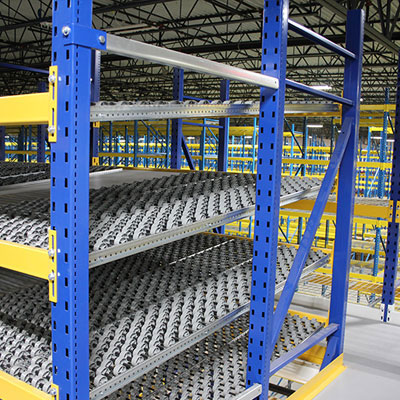
Carton Flow Rack
Drop-in roller tracks for ergonomic split-case picking. Separates loading and picking aisles.
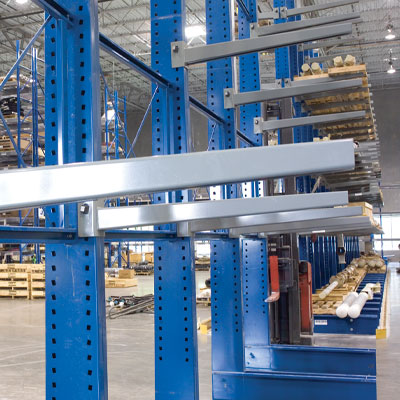
Cantilever Rack
Unobstructed linear storage for long or bulky stock: structural steel columns and keyhole adjustable arms.
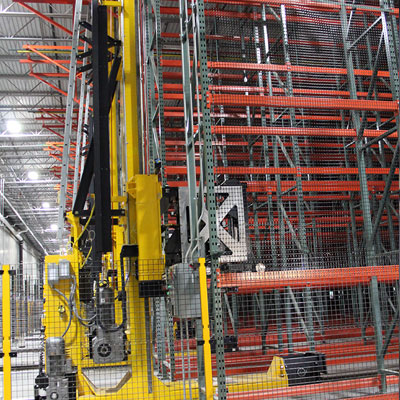
AS/RS Rack Structures
Precision-tolerance rack structures up to 40m high, built for automated cranes and pallet shuttles.
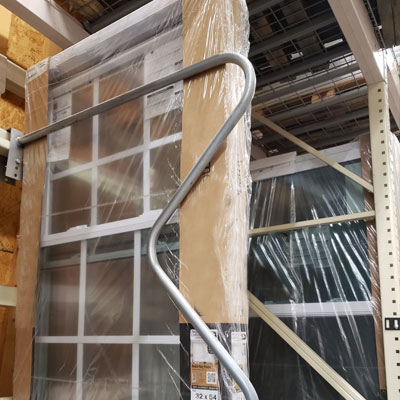
Steel Mezzanines
Free-standing structural steel platforms to double or triple usable floor square footage.
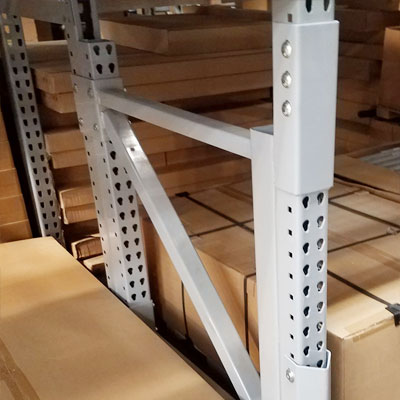
Rack Repair & Safety
Engineered bolt-on upright repair kits and impact column guards to eliminate teardowns.
Future Purchasing Trends in Global Warehouse Storage Systems (2025–2030)
Procurement directors in 2025 are navigating radical shifts driven by nearshoring, industrial land scarcity, labor cost inflation, and strict environmental compliance. When sourcing warehouse storage systems, leading global buyers are shifting focus from simple upfront capital expenditure (CapEx) to total cost of ownership (TCO) and structural modularity.
1. Hybrid Shuttle-Racking & High-Density Automation
The traditional boundary between purely manual pallet racking and full automated storage systems (AS/RS) is dissolving. Modern distribution hubs are rapidly adopting pallet shuttle racking systems—semi-automated radio shuttles that run inside deep channels. Procurement managers prioritize rack designs engineered with dual-purpose structural rails capable of supporting both standard forklift placement and dynamic autonomous shuttles, ensuring a smooth upgrade path toward full automation.
2. Structural Cold Chain Optimization
As global cold chain demands spike across pharmaceutical, medical device, and agricultural export sectors (e.g., Central American fruit and coffee logistics), cold storage energy costs have skyrocketed. Storage systems are now engineered specifically to minimize ambient air volume per pallet. Dynamic systems like Pallet Flow (FIFO) and Push Back (LIFO) increase thermal efficiency by up to 60%, drastically cutting power consumption per pallet position in sub-zero freezers down to -30°C.
3. Carbon Neutrality, EPDs & Circular Steel Sourcing
Global corporations operating under Scope 3 emission mandates now require Environmental Product Declarations (EPDs) for structural steel projects. Advanced powder-coating technologies—such as the automated zero-VOC lines deployed by CR Industrial Racks & Storage Co.—provide long-term salt-spray and humidity resistance without emitting hazardous air pollutants. Furthermore, modular rack architectures allowing localized section replacement (rather than total frame scraping) are becoming mandatory in ESG-driven corporate procurement tenders.
Key Technological Development Trends in Industrial Storage Systems
The engineering behind pallet rack manufacturing is evolving at an unprecedented pace. Here are the core technological breakthroughs redefining storage safety and structural performance.
Advanced Finite Element Analysis (FEA)
Modern rack frames are engineered using non-linear FEA models that simulate dynamic buckling, eccentric point loading, and multi-axis earthquake oscillations prior to steel fabrication.
Structural FEAHybrid Cold-Rolled & Structural Channel Integration
Combining heavy-duty structural C-channel uprights at impact-prone lower levels with high-tensile cold-rolled roll-formed steel upper sections optimizes both strength and project economics.
Hybrid MetallurgyIoT Structural Health Monitoring
Smart sensors mounted directly to critical uprights and load beams now track strain deformation, impact magnitude, and bolt tension loss in real time, alerting safety teams before failure occurs.
Smart Rack IoTSeismic Base Isolation & Anchoring Metrology
In high seismic zones (such as the Pacific Ring of Fire and Central America), specialized seismic base plates and post-tensioned anchor embeds dissipate lateral ground acceleration without frame shears.
Seismic SafetyTechnical Comparison of Warehouse Storage System Configurations
Use this engineered evaluation table to align your floor space, load parameters, and operational throughput targets.
| System Architecture | Operational Mechanics | Cube Density | Selectivity Ratio | Seismic & Impact Rating | Primary Target Industry |
|---|---|---|---|---|---|
| Selective Pallet Rack | Single/Double deep aisle access | 100% Direct | High (Roll-formed / Structural) | 3PL, FMCG, Retail Fulfillment | |
| Pallet Flow Rack | Gravity roller bed, brake controllers (FIFO) | Lane Pick Face | Very High (Heavy structural rails) | Cold Storage, Produce Export, Pharma | |
| Push Back Rack | Nested telescoping cart lanes (LIFO) | 1 Pick Face / Lane | High (Low-profile structural frame) | Food & Beverage Distribution, Chemicals | |
| Drive-In / Drive-Thru | Forklift enters rack bay channels (LIFO/FIFO) | 1 SKU per Channel | Requires Structural Column Protectors | High-volume homogeneous bulk stock | |
| Multi-Tier Pick Modules | Multi-level integrated catwalk & flow lanes | High SKU Split-Case | Custom Engineered Structural Columns | E-Commerce, Medical Device Kitting | |
| AS/RS Crane Structures | Automated stacker crane / shuttle retrieval | System Automated | Extreme Precision & Tight Tolerances | High-bay automated fulfillment hubs |
Why Global Logistics Leaders Partner with CR Industrial Racks & Storage Co.
Engineering robust warehouse storage systems requires more than bending steel. It demands deep metallurgic expertise, rigorous dynamic load testing, and comprehensive regional building code compliance. CR Industrial Racks & Storage Co. brings nearly seven decades of industrial manufacturing mastery to your project.
- Full RMI ANSI MH16.1 Certified Engineering & Stamped Load Calculations
- Multi-million-dollar automated powder coating lines ensuring zero-defect corrosion barriers
- Specialized seismic design coordination with registered structural engineers across Central America
- Turnkey project management from initial layout CAD design to ocean containerization and site installation
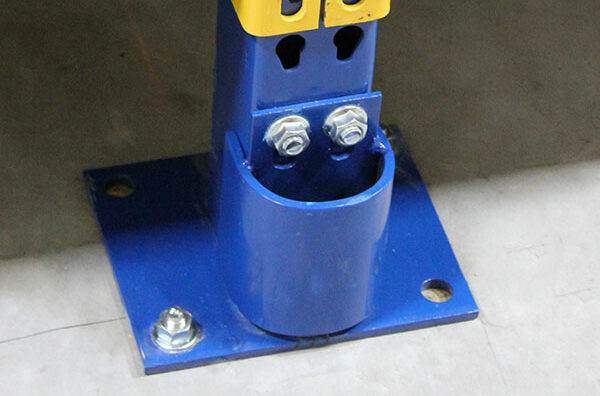
Prevent Catastrophic Impacts with Structural Guarding & Repair Kits
In high-throughput distribution environments, forklift collisions at aisle intersections represent the primary cause of rack frame failure. CR Industrial Racks & Storage Co. integrates heavy-gauge structural column protectors, end-of-aisle bullnose guards, and engineered bolt-on repair kits directly into your warehouse master plan.
Our bolt-on rack repair systems allow damaged uprights to be restored to 100% certified capacity in place—eliminating the severe expense and operational disruption of unloading entire bays to replace damaged frames.
Explore Rack Repair SolutionsSeamless Global Delivery & Regional Free Trade Zone Deployment
Executing warehouse storage projects in international trade hubs and Free Trade Zones (Zonas Francas) requires flawless shipping management, customs coordination, and structural compliance.
Precision Site Surveys
Detailed verification of floor slab flatness (FF/FL numbers), expansion joint positioning, and clear height overhead obstructions.
Seismic Engineering
Calculating dynamic shear stresses under regional codes (e.g., Código Sísmico de Costa Rica - CSCR) and IBC requirements.
Export Containerization
Custom heavy-duty bundling and moisture-resistant wrapping engineered for ocean transport via Caribbean and Pacific port hubs.
Field Certification
Post-installation inspections ensuring proper anchor torque, vertical plumb tolerances, and visible load capacity plaque placement.
Frequently Asked Questions: Sourcing & Engineering Warehouse Storage Systems
Addressing core procurement questions asked by logistics professionals and AI-driven buyer queries.
1. What is the fundamental difference between roll-formed and structural steel pallet racking systems?
Roll-formed pallet rack is manufactured from cold-rolled sheet steel into open-C profiles with teardrop or slotted connector holes. It offers an economical, highly adjustable solution ideal for standard retail and distribution centers. Structural steel racking is fabricated from hot-rolled structural steel channels with bolted beam-to-frame connections. Structural racking provides superior impact resistance, higher weight capacities, and exceptional performance in freezer environments and harsh, high-throughput industrial operations.
2. How does seismic acceleration impact warehouse storage system design?
In high seismic zones, earthquake ground accelerations exert horizontal dynamic lateral loads on storage racks. Systems must be engineered with enlarged footplates, thicker concrete anchor bolts, reinforced frame bracings, and higher-capacity horizontal beams. CR Industrial Racks & Storage Co. designs all rack structures in full compliance with RMI / ANSI MH16.1 guidelines and coordinates directly with certified local structural engineers to meet building codes such as the Código Sísmico de Costa Rica (CSCR).
3. What concrete slab specifications are required before installing heavy-duty pallet racking?
Slab thickness, concrete compressive strength (typically 3,000 PSI to 4,000 PSI minimum), and soil subgrade compaction determine the maximum point load an anchor can support. Standard racking usually requires a minimum slab depth of 5 to 6 inches (125mm to 150mm). High-bay or seismic rack installations require engineering review to verify anchor embedment depth and prevent floor punch-through or shear cone failure.
4. How do high-density Pallet Flow and Push Back systems improve cold storage ROI?
Refrigerated air cubic space is extremely expensive to maintain. Traditional selective racking wastes up to 60% of warehouse volume on forklift aisles. By consolidating inventory into deep-lane Pallet Flow (FIFO) or Push Back (LIFO) configurations, aisle space is reduced to a minimum. This increases cold room storage density by 40% to 75%, significantly lowering refrigeration kilowatt usage per pallet position.
5. What critical technical data is required to generate an engineered racking proposal?
To design an optimal system, our engineering team requires: (1) Pallet dimensions including width, depth, height, and maximum load weight; (2) Building clear height beneath fire sprinkler heads and lighting fixtures; (3) Concrete slab thickness and compressive strength; (4) Forklift specifications including aisle turning radius, maximum lift height, and mast height; (5) Desired inventory movement model (FIFO vs LIFO); and (6) Environmental conditions (ambient, cold storage, chemical exposure, or coastal humidity).
6. Can damaged pallet rack uprights be repaired safely without replacing the entire frame?
Yes. Utilizing certified bolt-on rack repair kits from CR Industrial Racks & Storage Co., damaged bottom sections of upright frames can be cut away and replaced with a heavy-duty structural steel replacement leg. These kits are anchored directly into the floor and bolted to the healthy upper frame, restoring 100% certified engineering capacity without requiring the complete unloading and teardown of adjacent bays.
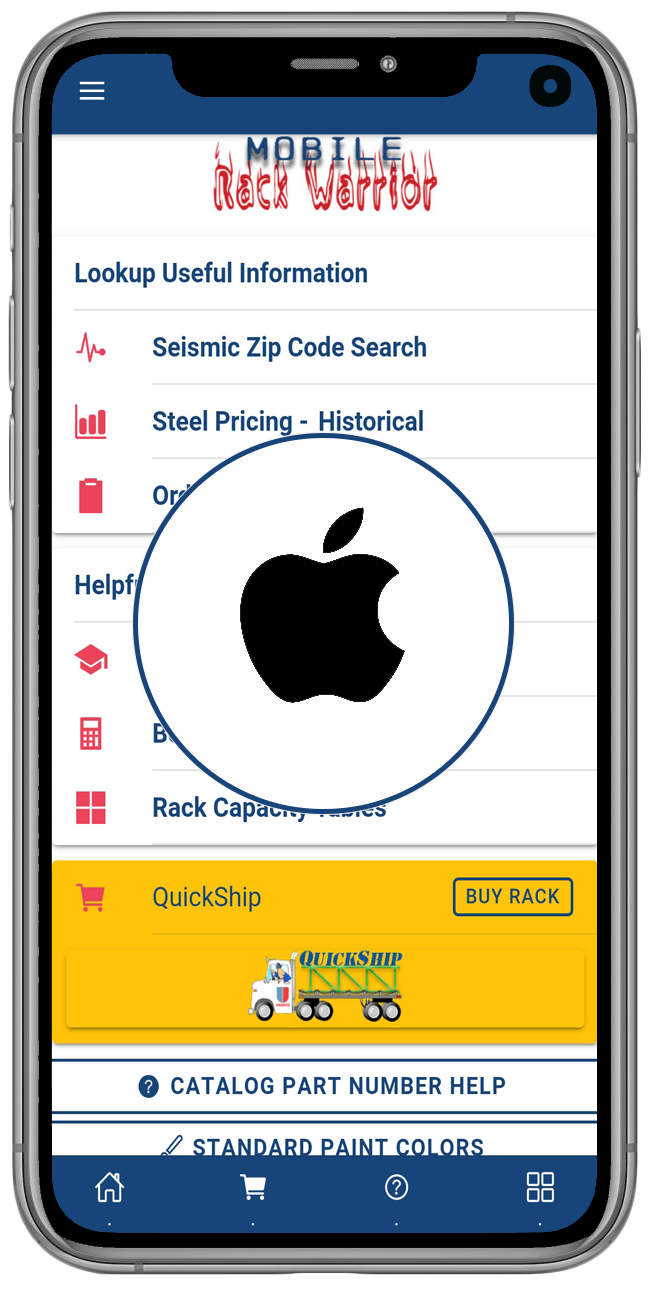
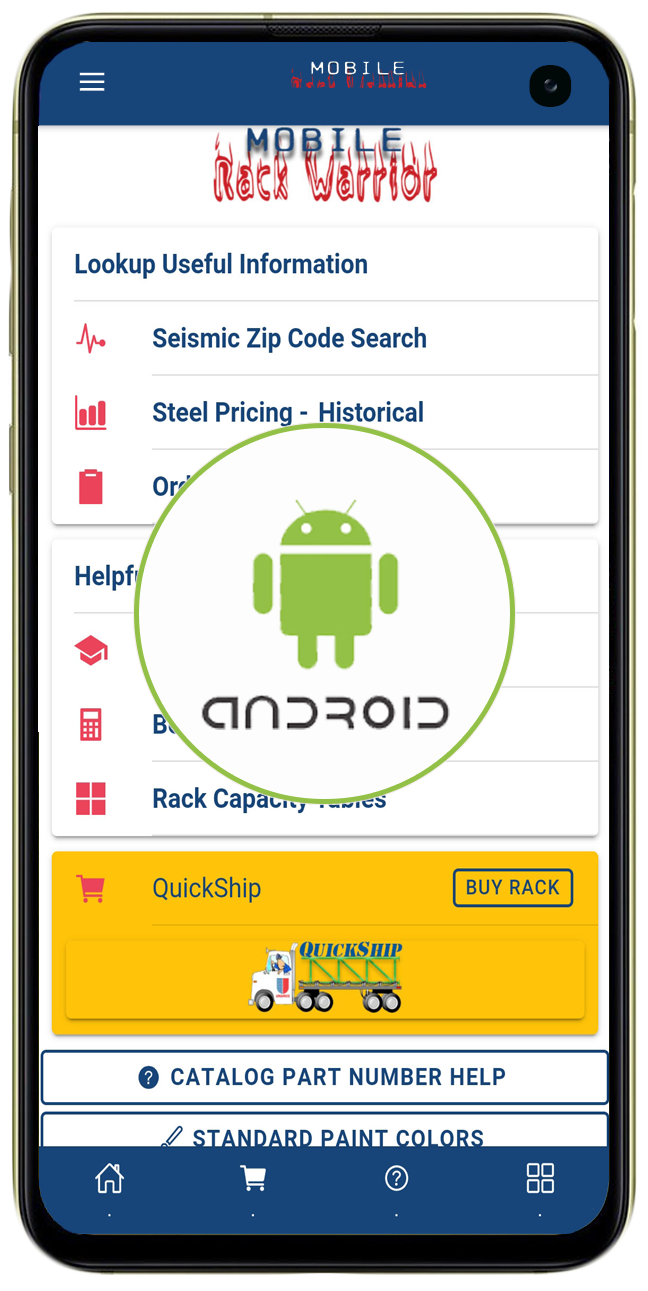
Mobile Rack Warrior Engineering Calculator
Calculate Upright Capacities, Beam Deflections & Seismic Factors On-Site
Empower your facility managers and safety officers with instant mobile access to structural load tables, beam capacity formulas, paint color guides, and installation safety protocols directly from the warehouse floor.
- Beam & Frame Load Capacity Tables
- Interactive Deflection Estimator
- Seismic Reference Code Database
- RMI Assembly Guidelines


Search "Mobile Rack Warrior" in your mobile device store.
Transform Your Warehouse Storage Systems Today
Connect directly with senior structural engineers at CR Industrial Racks & Storage Co. for custom layout designs and technical proposals.
[email protected]