Choosing a Pallet Racking system starts with the work happening around it. A rack must fit your building, inventory, equipment, and daily picking patterns. Measure clear height, aisle width, door locations, and the space beneath sprinklers. Then check pallet dimensions, loaded weights, and how often each product moves. Small details matter. A few centimeters can change forklift access or reduce usable storage.
Warehouse-storage specialist Alex Morgan captures the principle this way: “The right rack is the one your daily workflow can use safely, not just the one that stores the most pallets.” Use that idea to compare selective, drive-in, push-back, and pallet-flow systems. Each offers different trade-offs in access, density, and stock rotation. This guide will outline those differences, explain which questions to ask suppliers, and show how to match rack layouts to real inventory needs. It will also cover load capacity, future growth, and routine inspections. A dense layout may look impressive on a drawing. But if operators struggle to reach fast-moving pallets, the design has missed something. And it happens. Your first estimate may be wrong, too; confirm measurements and traffic patterns before committing.
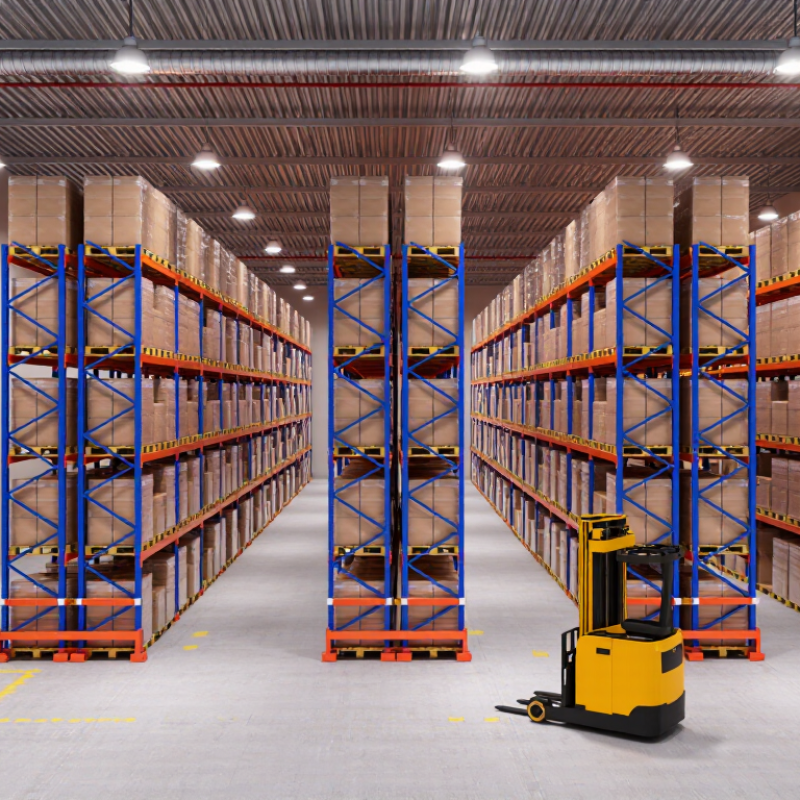
Start with the load, not the rack. Record each SKU’s pallet size, weight, turnover, and seasonal peak. Fast-moving goods often need direct access; slower stock may suit denser storage. MHI’s 2024 Annual Industry Report found that 55% of respondents planned to increase supply-chain technology investment. Use reliable inventory data to test slotting assumptions, not just to make a polished spreadsheet. Forecasts can still be wrong.
Measure usable space carefully. Note clear height, columns, doors, sprinklers, and floor conditions, then compare aisle widths with the actual lift trucks. A tall rack adds capacity only when equipment can reach it safely. Dense layouts can reduce access, so check whether stock rotation and picking frequency fit the design.
Handling needs shape the final choice. Map how pallets enter, move, and leave: dock transfers, replenishment, and order picking may use different routes. Check pallet condition, load weight, and equipment turning space with a qualified rack designer. If operators repeatedly reverse or wait at narrow aisles, the layout may be costing more than it saves. Small trial areas can expose problems before a full installation.
Selective racking gives direct access to every pallet, making it practical for warehouses with many SKUs and frequent picking. It uses floor space less densely than compact systems. Double-deep racks add storage density, but need suitable reach trucks and make some pallets harder to access. The neatest layout on paper may not work during a busy shift.
Drive-in racks suit large quantities of the same product, with pallets stored in lanes and typically retrieved last-in, first-out. Push-back racks also use a last-in, first-out pattern, while pallet-flow racks use gravity rollers to support first-in, first-out rotation. Flow systems can help with dated stock, but rollers need inspection and maintenance. Choose around actual SKU turnover, not just the maximum pallet count.
Forklift access deserves equal attention. OSHA cites estimates of 85 forklift-related fatalities and 34,900 serious injuries each year in the United States. Aisle width, turning space, load visibility, and rack protection all matter. MHI’s 2024 Annual Industry Report found that 55% of surveyed organizations planned to increase supply-chain technology investment. Check that your proposed layout works with scanners and inventory software, too. Measure real pallet sizes and loads before committing. Small variations matter.
The right rack begins with the load, not the aisle layout. Record each pallet’s dimensions and fully loaded weight, including any uneven or overhanging items. Then calculate the maximum load per beam level and bay. Do not rely on average weights; one unusually heavy pallet can change the design. Measure twice.
Next, match the rack to the equipment that will use it. A reach truck and a counterbalance forklift need different aisle space and turning room. Check the truck’s lift height, mast clearance, and pallet-handling direction against the rack’s beam levels. Leave room for operators to place loads without striking uprights. That detail matters.
Site conditions deserve equal attention. Confirm ceiling height, floor condition, column locations, and clearance around lights or sprinkler pipes. Rack capacity depends on its configuration and installation, so have a qualified rack professional verify the layout and load data. Keep capacity information visible, and inspect for bent beams or damaged uprights. Plans can look tidy on paper but fail to reflect real turning paths. Recheck the layout with the actual equipment and pallet mix before ordering; changing either later can be awkward.
Choosing a pallet racking system starts with the work pattern, not a catalog. Map each bay against pallet dimensions, peak inventory, order frequency, and forklift turning radius. Leave room for real movement. An aisle that looks generous on paper may tighten when loads overhang or trucks turn. Selective racks provide direct access to each pallet; drive-in or push-back designs trade some access for denser storage. That trade can be costly if slow-moving stock is not actually predictable.
Treat safety clearances as operating requirements, not leftover space. Check rack load plaques, floor condition, sprinkler and lighting clearances, pedestrian routes, and the truck’s rated turning envelope.
Mark beam heights and aisle edges on the floor, then test a full-size turning path before installation. Plans need revision. Have a qualified rack designer verify capacity and anchorage against site conditions and applicable standards; drawings alone can miss important details.
The purchase price is only one part of a pallet racking system’s cost. Include delivery, installation, floor preparation, inspections, and future repairs in your estimate. A lower quote may leave out protective barriers or installation work. Check what each proposal includes.
Then match the system to your inventory and picking pattern. Selective racking gives direct access to every pallet, but uses more aisle space. Drive-in or push-back systems can increase storage density, though they may limit access to individual loads. Small details matter. Measure aisle widths, pallet dimensions, forklift turning space, and ceiling clearance before comparing prices. Ask suppliers to confirm load capacities for your actual beam spans and pallet weights.
Look beyond the first year. A dense layout can reduce floor-space costs, yet slower access may add labor time during busy shifts. Estimate how often each product moves and whether older stock must be picked first. Include expected changes in inventory, too; a system sized tightly for today may require costly alterations later. These estimates are not perfect. Recheck them against real order and storage data before committing.
Selective racking provides direct access, making it useful for warehouses with many products and frequent picking. It needs more aisle space.
Drive-in racks suit large quantities of the same product. Pallets usually follow a last-in, first-out pattern.
Push-back racks typically use last-in, first-out storage. Pallet-flow racks use rollers and gravity to support first-in, first-out rotation.
Measure pallet dimensions and fully loaded weight, including uneven or overhanging loads. Small differences can affect capacity.
Check aisle width, turning space, lift height, and mast clearance against the truck. Test the layout with actual equipment.
Measure ceiling height and inspect floors, columns, lights, and sprinkler pipes. Leave space for safe load placement.
Include delivery, installation, floor preparation, inspections, and repairs. Check whether quotes include protective barriers.
Dense systems can save floor space but limit access to individual pallets. Busy shifts may take longer.
Keep capacity information visible and inspect for bent beams or damaged uprights. Have a qualified professional verify the design.
No. Consider expected inventory changes and product turnover. These estimates are imperfect, so recheck them against real order data.
Choosing the right Pallet Racking system starts with understanding what you store, how much space is available, and how goods move through your facility. Consider pallet sizes, inventory turnover, picking frequency, and the handling equipment used. These factors help determine whether selective, drive-in, push-back, or another rack style best supports your daily operations.
Next, match rack dimensions and load capacity to your pallets and equipment, then plan aisle widths, access points, and safety features to support efficient movement and reliable storage. Compare the full costs of installation, operation, and future changes rather than focusing only on the initial purchase. A suitable system balances storage capacity, accessibility, safety, and budget while leaving room for the needs of your operation to evolve.