Featured High-Density Racking & Pallet Systems
Engineered for maximum cube utilization, structural resilience under heavy cyclic loading, and seamless forklift integration. Explore our core wholesale offerings below.
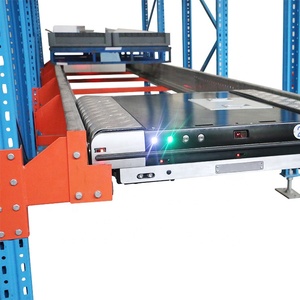
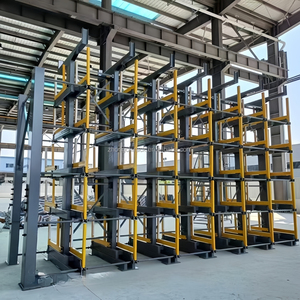
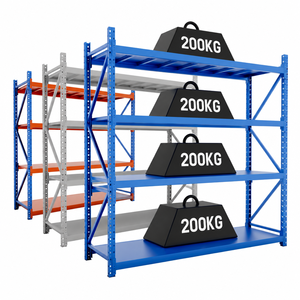
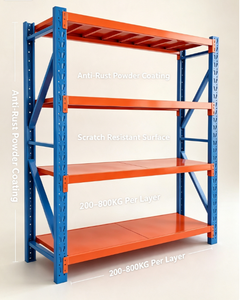
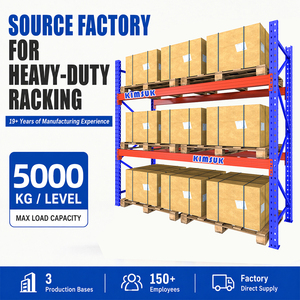
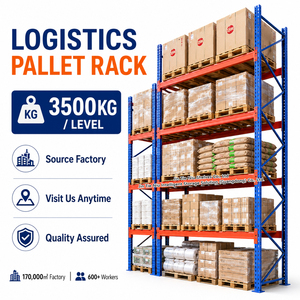
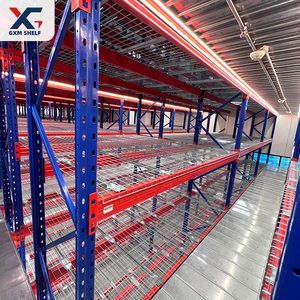
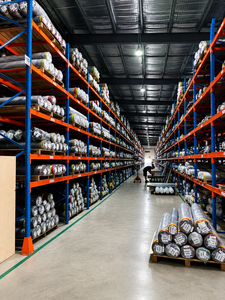
Engineering Mechanics of Push Back Racking & High-Density Pallet Storage
An in-depth analysis for logistics directors, warehouse architects, and procurement officers evaluating top global suppliers for industrial storage density.
1. Kinematic Principles of Push Back Cart Systems
Industrial push back racking operates on a Last-In, First-Out (LIFO) material handling logic utilizing nested, telescoping carts riding on inclined structural rails. Unlike standard single-deep selective racking which requires multiple forklift aisles, a push back rack matrix condenses storage up to six pallets deep per lane. The structural incline (typically angled between 1.5 degrees and 2.0 degrees toward the picking aisle) leverages controlled gravitational forces.
When a forklift driver deposits the initial pallet onto the top cart (Level 1 cart), subsequent pallets push the previous loads back along the steel wheel assembly. The secondary pallet rests on the underlying nested cart (Level 2 cart). Upon retrieval, as the driver lifts and extracts the front pallet, gravity automatically rolls the remaining inner carts forward to the front aisle pick face. This mechanical action dramatically reduces forklift travel time and operator cycle times while eliminating the risk of drivers entering deep structural racks—a common damage hazard in traditional drive-in racking.
2. Structural Frame Mechanics & Seismic Resistance (RMI Compliance)
High-density push back systems impose unique load distribution profiles on concrete slab foundations and upright frame columns. Because pallets move dynamic forces horizontally and vertically within deep bays, racking manufacturers must engineer frame uprights according to strict Rack Manufacturers Institute (RMI / ANSI MH16.1) standards and regional seismic building codes (such as the Código Sísmico or IBC seismic performance categories).
Key structural components include:
- Heavy-Duty Upright Columns: Manufactured from cold-rolled steel or structural channels (C-shapes) engineered to withstand combined axial compression and bending moments.
- Structural Beam Connectors: High-yield connection jaws with multiple connector tabs and safety locking pins that resist rotational torque during loading impact.
- Seismic Base Plates & Anchor Bolt Embedment: Base plates sized precisely to distribute concentrated leg loads across concrete floor slabs, utilizing heavy-duty anchor bolts with verified effective embedment depths.
- Column Protectors & Heavy Frame Guards: Integrated floor-mounted protection angles or bolt-on column guards designed to shield lower frame sections from frequent forklift wheel impacts.
3. Automated Powder Coating vs. Tropical & Humid Environment Resilience
Industrial storage systems deployed in free trade zones, cold storage plants, or high-humidity regions require superior chemical pre-treatment and paint application to prevent subterranean rust and structural corrosion. Leading push back manufacturers utilize multi-stage automated powder coating lines. This process involves multi-stage phosphatizing wash pre-treatments followed by electrostatically applied thermosetting epoxy-polyester powder coats cured at elevated temperatures.
The resulting paint barrier exhibits exceptional impact resistance, flexibility, and salt-spray corrosion protection. In cold chain applications (-30°C operational freezers), specialized powder coat treatments prevent micro-cracking and chipping under severe thermal expansion and contraction cycles.
High-Density Storage Systems Comparative Analysis
How push back racking stacks up against alternative high-density storage methodologies when evaluating capital expenditure, selectivity, and operational throughput.
| Storage System Type | Access Logic | Storage Density Ratio | SKU Selectivity | Forklift Travel & Risk | Optimal Operational Use Case |
|---|---|---|---|---|---|
| Push Back Rack (2-6 Deep) | LIFO (Last-In, First-Out) | High (75% - 85%) | Medium (Pick face per lane) | Low (Forklift remains in aisle) | Medium-volume, medium-SKU, cold storage & general DC |
| Automated Radio Shuttle | FIFO or LIFO | Very High (85% - 95%) | Low (Channel level) | Minimal (Automated carrier) | High-volume raw materials, manufacturing buffer zones |
| Selective Pallet Rack | Direct Access | Low (40% - 50%) | 100% Direct Access | High (Multiple aisle travel) | High SKU mix, fast-fulfillment e-commerce centers |
| Drive-In / Drive-Thru | LIFO / FIFO | Very High (80% - 90%) | Very Low (Single SKU per bay) | High (Forklift drives inside frame) | Bulk seasonal items, homogeneous high-density lots |
| Pallet Flow Rack | FIFO (First-In, First-Out) | High (80% - 88%) | Medium (Pick face per lane) | Low (Separate loading & picking) | Perishables, date-coded food & beverage, pharmaceuticals |
Why Top Global Brands Partner With Our Manufacturing Platform
Backing every project with nearly seven decades of structural steel fabrication heritage, ISO-certified quality management, and dedicated engineering consultation.
70-Year Engineering Legacy
Our manufacturing foundation builds upon decades of continuous innovation in heavy-duty roll-formed and structural steel storage systems. We partner with Fortune 500 enterprises to engineer reliable material handling infrastructures.
Automated Finishing & Protection
State-of-the-art multi-million dollar automated powder coat lines deliver uniform mil-thickness coatings that withstand chemical exposure, physical abrasion, and tropical humidity across all structural components.
Full Structural Lifecyle & Rack Repair
We provide engineered, bolt-on rack repair solutions that allow operators to restore damaged upright frames in-place without disturbing surrounding inventory, drastically slashing downtime and operational TCO.
Future Directions in Push Back & High-Density Warehousing (2025–2030)
Key shifts transforming industrial procurement strategy, structural design standards, and smart warehouse integration.
1. Transition to Hybrid Push Back & AGV / AMR Fleets
As automated guided vehicles (AGVs) and autonomous mobile robots (AMRs) replace manual counterbalanced forklifts in tier-1 distribution centers, push back system tolerances must adapt. Modern wholesale push racks now incorporate optical alignment targets, precision entry funnels, and laser-guided positioning plates. These enhancements ensure automated vehicles can load and discharge cart lanes with millimeter-level accuracy without human error or frame collision.
2. Structural IoT Load & Health Monitoring Integration
Next-generation racking matrices are embedding strain-gauge IoT sensors within critical base plates and beam connectors. These smart sensors continuously monitor static dead loads, dynamic impacts from equipment, and subtle ground settlement. In seismic-prone zones, real-time telemetry alerts facility managers if an upright experiences excessive deflection, enabling preventative maintenance before structural failure occurs.
3. Circular Steel & Decarbonized Manufacturing Practices
Global supply chain executives are demanding verifiable ESG credentials from their primary storage suppliers. Future push rack procurement prioritizes manufacturers using high-strength low-alloy (HSLA) recycled steel fabricated via electric arc furnaces (EAF). High yield-strength steel allows thinner wall profiles without sacrificing load capacity, reducing total steel tonnage, transportation freight emissions, and embodied carbon footprints.
Purchasing & Engineering Frequently Asked Questions
Addressing key technical questions asked by procurement officers and warehouse operations managers when buying wholesale push racks.
How does a push back rack system differ from a traditional gravity flow rack?
Push back racks operate on a Last-In, First-Out (LIFO) inventory model where loading and unloading are executed from the exact same front aisle face using nested telescoping carts on a 1.5% - 2% incline. Gravity flow racks operate on a First-In, First-Out (FIFO) model requiring two dedicated aisles: a rear loading aisle and a front picking aisle with full-length roller lanes.
What concrete slab thickness and strength are required for push back rack installation?
Because high-density push back racks concentrate heavy multi-pallet loads onto single upright frame footprints, typical engineering requirements demand a minimum concrete slab thickness of 6 inches (150 mm) to 8 inches (200 mm) with a compressive strength of at least 3,000 to 4,000 PSI, verified by a certified structural engineer against local seismic codes.
Can push back racks be safely utilized in cold storage and freezer facilities?
Yes. Push back systems are ideal for high-cost refrigerated and freezer storage rooms (-30°C) because they maximize spatial cube utilization. However, push back systems in freezers must utilize heavy-duty stainless steel or sealed precision ball bearings, cold-temperature synthetic lubricants, and low-temperature powder coatings to prevent cart freeze-up or finish cracking.
How do nested push back carts prevent pallet binding or derailment?
Engineered push back systems feature structural steel flanged wheels riding along welded tubular or heavy-duty structural angle tracks. Low profile cart designs keep the center of gravity down, while specialized alignment guides and mechanical end-stops physically lock inner carts inside the rail assembly, eliminating side-to-side sway or cart derailment.
What maintenance is required for a commercial push back racking system?
Push back systems require minimal operational maintenance due to their gravity-assisted mechanics. Recommended preventative maintenance includes monthly visual inspections of front-aisle column protection, quarterly checks for debris accumulated inside cart tracks, and periodic verification of anchor bolt torque values and frame plumbness.
Can existing selective pallet rack frames be retrofitted into a push back system?
In many cases, yes—provided the existing upright frames have sufficient depth, structural gauge thickness, and beam load capacities verified by a qualified rack engineer. Heavy-duty push back rail assemblies and cart modules can be custom-fabricated to fit into existing structural frame bays.