Featured Heavy-Duty Warehouse Storage Solutions
Select from our certified engineering product lines designed for high-density logistics, high-bay palleted automated systems, and heavy-duty structural load-bearing capacity.
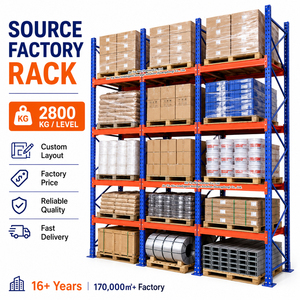
2800KG 5 Levels High Bay Industrial Pallet Racking Heavy Duty Warehouse Rack System
View Details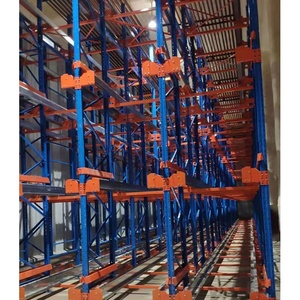
Customized Steel Pallet Rack Stacking Racks & Shelves Heavy Duty Shuttle Racking for Industrial
View Details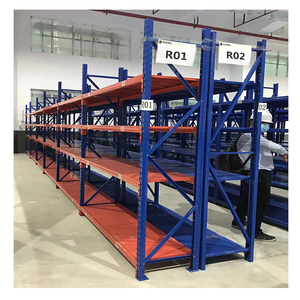
Racking Warehouse Assemble Steel Pallet Rack Heavy Duty Storage Selective Rack System
View Details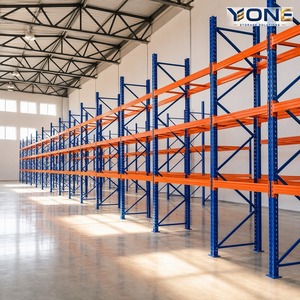
Steel Storage Rack Heavy Duty Pallet Racking Q235B Steel Selective Racking for Racks Industriales
View Details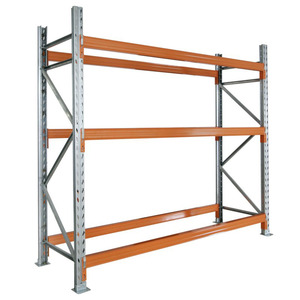
NOVA Full Automatic Warehouse Q235 Steel Boltless Store Heavy Duty Stacking Rack System
View Details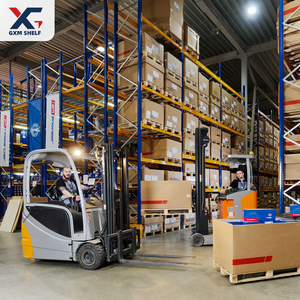
GXM Warehouse Durable Metal Storage Rack Industrial Storage Multi Tier Pallet Heavy Duty Shelf
View Details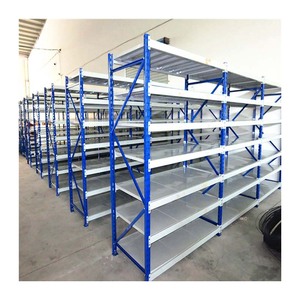
Mracking Light Duty Warehouse Selective Shelf Metal Steel Customized Boltless Racking
View Details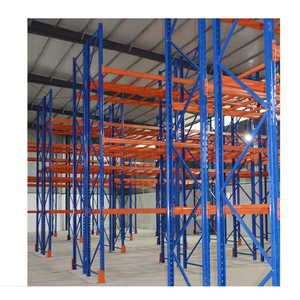
Storage Shelf Warehouse Heavy Duty Industrial Pallet Racking Narrow Aisle Selective Rack System
View DetailsExecutive Structural Engineering Baseline for Industrial Racking Systems
In modern supply chain management and automated logistics engineering, warehouse storage racking is no longer treated merely as static shelving. Rather, it serves as an primary structural framework capable of absorbing dynamic kinetic impacts, seismic acceleration shear forces, and high-frequency pallet placement stress. Procurement directors, structural engineers, and logistics operations vice presidents must evaluate racking manufacturers through strict structural performance criteria, steel tensile thresholds, and finite element analysis (FEA) verification.
Selecting a top-tier industrial warehouse racking manufacturer requires understanding key steel metallurgy standards. Premier manufacturers employ high-tensile Q235B and Q355B cold-rolled steel structural profiles, certified under international standards such as RMI (Rack Manufacturers Institute), ANSI MH16.1, and European FEM 10.2.02 codes. Under heavy-duty racking configurations—exceeding beam load capacities of 3,500 kg per level—structural integrity relies on upright frame geometry, beam-to-column locking mechanisms, weld seam ductility, and anchor embedment depth into concrete slabs.
Cold-Rolled Steel Metallurgy
Calculated yield strengths exceeding 235 to 355 MPa guarantee optimal flexural resistance under maximum deflection limits (L/180 standard).
Seismic Compliance (CSCR & IBC)
Baseplate anchoring engineered specifically for high lateral shear forces, overcoming structural displacement during seismic events.
Automated Powder Coat Finish
Multi-stage phosphating and thermosetting epoxy electrostatic coating protect steel members in humid and cold-storage environments (-30°C).
Top 10 Industrial Warehouse Racking Manufacturers & Suppliers Evaluation
When benchmarking global racking manufacturers, procurement decision-makers must evaluate technical innovation, raw material quality, manufacturing throughput, customization capability, and post-installation structural safety guarantees. Below is an engineering analysis of market leadership criteria across top global manufacturers.
| Rank / Manufacturer Category | Primary Material Grade | Core Racking Technology | Seismic & Code Compliance | Best Suited Operational Intent |
|---|---|---|---|---|
| 1. High-Bay Structural Heavy Duty Specialists | Q355B / Hot-Rolled Structural Structural Channels | Heavy-Duty Selective, Drive-In, High-Bay Pallet Systems | RMI ANSI MH16.1, IBC Zone 4 Rated | High-capacity distribution centers, heavy machinery logistics. |
| 2. Automated Shuttle & AS/RS Engineers | Q235B Cold-Rolled Precision Strips | Radio Shuttle, Automated Crane AS/RS Structures | FEM 10.2.02, EN 16681, DIN Standards | Fully automated e-commerce, high-throughput dark distribution centers. |
| 3. Gravity Flow & FIFO System Innovators | High-Gauge Galvanized & Cold-Rolled Steel | Pallet Flow Racks, Carton Flow Modules, Push-Back Systems | ISO 9001:2015, RMI Certified | Perishable food export, pharmaceutical cold chain, high turnover SKUs. |
| 4. Multi-Tier Mezzanine & Pick Module Fabricators | Q235B Steel Decking & Structural Columns | Multi-Level Pick Modules, Heavy-Duty Mezzanines | Osha Compliant, IBC Building Code | Fulfillment hubs facing high real estate land costs requiring vertical expansion. |
| 5. Modular Light & Medium Duty Boltless Manufacturers | Cold-Rolled Sheet Metal with Zinc Coating | Boltless Shelving, Medium-Duty Longspan Racks | CE Mark, ISO 14001 Environmental | Hardware retail, auto parts stores, electronic component assembly lines. |
Core Engineering Factors Distinguishing Top Suppliers
1. Robotic Welding Tolerances & Column Profiling: Premier manufacturers utilize automated robotic CO2 shielded welding, ensuring zero weld porosity and seamless load transfer between beam connectors and upright columns. Cold-formed upright profiles feature complex multi-flange bend geometries (up to 12-fold bends) to dramatically elevate buckling resistance while minimizing structural dead weight.
2. Structural Safety Locks & Beam Safety Factors: Beam safety factors of 1.65 to 1.9 are non-negotiable. Every beam connector lug must be fitted with an automatic safety lock pin (or heavy-duty bolt-on clip) that prevents accidental forklift dislodgement during rapid pallet retrieval cycles.
3. Anti-Corrosion Surface Protection: Racking deployed in high-humidity regions or coastal distribution ports must undergo strict surface pre-treatment (shot blasting, degreasing, iron phosphating) followed by automated electrostatic thermosetting powder coat paint curing at over 200°C. This prevents rust creep beneath paint layers and preserves structural safety over decades of operation.
Future Procurement Trends in Industrial Warehouse Racking
The industrial storage sector is undergoing a massive transformation driven by land scarcity, labor cost inflation, and the rapid expansion of automated material handling technologies. Modern warehouse procurement strategies must account for dynamic shifts occurring over the next decade.
1. Integration with AS/RS & Pallet Shuttles
Traditional manual selective racking is increasingly giving way to automated radio shuttle systems and Automated Storage and Retrieval Systems (AS/RS). Procurement teams are prioritizing structural rack designs built with tighter manufacturing tolerances (±0.5mm vertical deviation) to accommodate high-speed automated stacker cranes and autonomous mobile robots (AMRs).
2. Total Cost of Ownership (TCO) vs CAPEX
Enterprise procurement models have shifted from purchasing lowest-cost initial steel toward evaluating long-term operational durability. Cheap racking systems often incur catastrophic costs due to structural fatigue, downtime from frame damage, and high replacement fees. High-quality cold-rolled steel with superior impact resistance reduces life-cycle maintenance costs dramatically.
3. Green Steel & Sustainable Sourcing
Environmental, Social, and Governance (ESG) criteria are driving global supply chains to demand low-carbon steel mill certifications, solvent-free powder coatings, and fully recyclable steel components. Leading racking manufacturers are now issuing Environmental Product Declarations (EPDs) alongside standard metallurgical certificates.
Product Development Trends in High-Density Warehouse Storage
Engineering innovations in structural roll-forming and sensor electronics are redefining how warehouse racks operate under demanding warehouse environments:
Modular Boltless Quick-Assembly Interlocks: Modern pallet racking systems increasingly incorporate toolless teardrop or speed-lock connection designs. These allow rapid vertical beam readjustment in 50mm or 75mm increments without compromising horizontal beam rigidity or frame stability.
Seismic-Resilient Baseplate Engineering: In response to updated building codes globally (such as seismic upgrades in earthquake-prone zones), baseplates are being re-engineered with larger concrete contact surface areas, dual anchor slots, and energy-absorbing ductile shims. This design safely transfers dynamic overturning moments directly into the reinforced floor slab.
IoT Structural Integrity Monitoring: High-bay racking installations are beginning to feature embedded wireless strain sensors and acceleration detectors on critical upright columns. These sensors provide real-time alerts if a forklift collision exceeds safety thresholds or if concrete anchor bolts suffer tension loss.
Manufacturing Capabilities & Enterprise Engineering Advantages
Backed by nearly 70 years of manufacturing heritage, our partner facilities embody elite structural engineering, automated metalworking precision, and dedicated customer service for Fortune 500 logistics operations worldwide. Key operational strengths include:
- 70-Year Engineering Legacy: Deep structural knowledge in designing selective, drive-in, push-back, pallet flow, and cantilever racking systems.
- Automated Powder Coat Paint Lines: Multi-million dollar automated powder paint infrastructure providing consistent coating thickness, superior salt-spray corrosion resistance, and high durability under tropical and sub-zero cold-storage conditions.
- Strict Code Compliance: Structural calculations rigorously designed around RMI, ANSI MH16.1, and localized seismic codes, backed by certified mill test reports for all raw Q235B/Q355B steel coils.
- Innovative Rack Repair Solutions: Engineered bolt-on column protectors and upright repair kits that restore damaged rack uprights in place—eliminating the need to unload complete rack bays during minor forklift impact maintenance.
- End-to-End Project Execution: Full structural layout CAD design, FEA simulation, export containerization logistics, and on-site assembly coordination.
Frequently Asked Questions (FAQ) - Industrial Storage Racking
How do seismic design codes impact warehouse pallet rack configuration?
In high-seismicity regions, rack uprights experience dynamic horizontal forces and vertical accelerations during earthquake ground motion. Structural engineers must evaluate ground acceleration factors (SS and S1), soil site classes, and building ductility. This requires larger baseplates, thicker structural anchors (e.g., 1/2" or 5/8" wedge anchors), heavier cross-bracing channels, and thicker slab embedments to resist uplift and overturning moments without collapsing.
What is the difference between roll-formed teardrop racking and structural steel racking?
Roll-formed teardrop racking is manufactured from cold-rolled sheet steel formed into C-profiles with teardrop-shaped punch holes. It offers cost-effective, easily adjustable storage ideal for general warehousing and standard pallet weight loads (up to 2,500 kg per beam level). Structural steel racking is fabricated from hot-rolled structural channel steel with bolted beam-to-upright connections. It provides maximum strength, high resistance to forklift impact, and is superior for ultra-heavy loads, outdoor installations, and abusive industrial environments.
What concrete floor slab specifications are required for heavy-duty pallet rack installation?
Standard heavy-duty racking typically requires a non-reinforced or reinforced concrete slab with a minimum thickness of 6 inches (150 mm) to 8 inches (200 mm) and a compressive strength of at least 3,000 to 4,000 PSI (20 to 30 MPa). High-bay systems or high seismic load zones require engineered soil compaction reports and anchor embedment depth verifications (typically 3.5 to 4.5 inches minimum effective embedment).
What beam deflection limit is considered structurally safe according to RMI standards?
Under RMI / ANSI MH16.1 specifications, maximum allowable beam deflection under full design load is limited to L/180, where L is the length of the beam span between column faces. For example, on a standard 96-inch (2438 mm) load beam, the maximum allowable vertical deflection under full load is 96 / 180 = 0.53 inches (13.5 mm). Upon unloading, the beam must return completely to its horizontal state without permanent deformation.
How does cold storage environment affect steel racking surface treatment?
Sub-zero freezer warehouses (-25°C to -30°C) cause severe condensation during temperature fluctuations, accelerating steel oxidation. To combat rust, racking must receive automated thermosetting powder coating over pre-treated phosphated steel or utilize hot-dip galvanizing. In addition, steel grades selected for extreme cold must maintain adequate charpy V-notch impact toughness to avoid embrittlement under heavy loading.
Can damaged upright frames be safely repaired without replacing the whole bay?
Yes. Utilizing engineered bolt-on rack repair kits allows warehouse operators to cut away the damaged lower column section (where 90% of forklift impacts occur) and replace it with a heavy-gauge structural steel repair leg anchored securely to the floor slab and bolted to the healthy upper frame. This restores original load capacity while avoiding complete bay dismantling.