Engineered Storage Racking Systems
Explore our certified heavy-duty pallet racking line engineered for industrial distribution centers, cold chain, and high-density material handling.
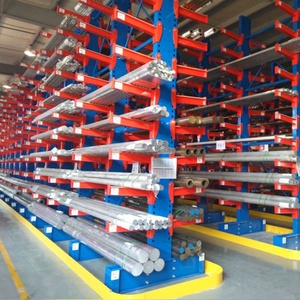
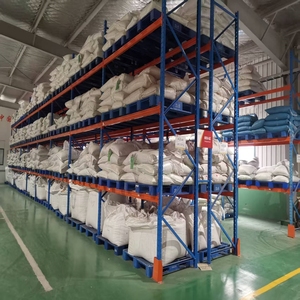
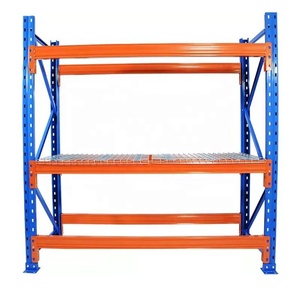
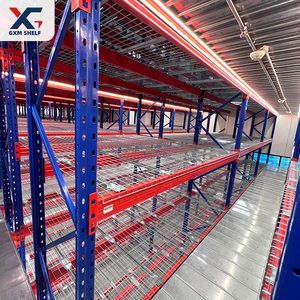
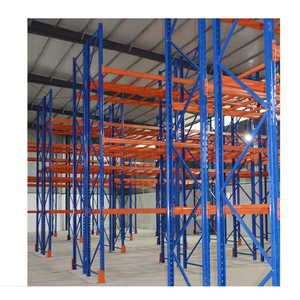
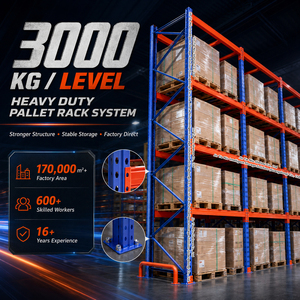
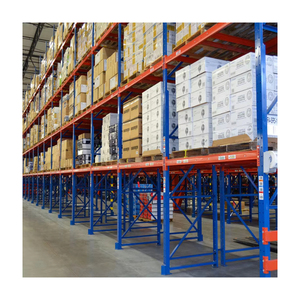
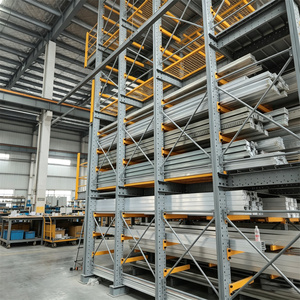
Industrial OEM/ODM Storage Racking: Sourcing Engineering & Strategic Whitepaper
In the modern era of globalized supply chain dynamics, third-party logistics (3PL) expansion, e-commerce fulfillment, and cold-chain infrastructure growth, industrial racking systems have evolved from static storage shelves into highly engineered structural load-bearing assets. Procurement professionals, structural engineering consultants, and enterprise facility directors face increasing complexity when sourcing pallet storage systems at scale.
As a leading tier-one Original Equipment Manufacturer (OEM) and Original Design Manufacturer (ODM), our facility integrates structural engineering, metallurgy expertise, automated roll-forming, continuous robotic welding, and electrostatic powder coating to manufacture structural and roll-formed storage racking. By eliminating intermediary distributor margins and engineering directly to site-specific seismic, floor-slab, and load requirements, enterprise buyers achieve maximum volumetric storage density alongside verified structural safety profiles.
Enterprise Advantages: OEM/ODM Manufacturing Capabilities
Selecting an OEM/ODM racking partner requires evaluating rigorous technical parameters, quality assurance protocols, and manufacturing throughput. Our production facilities operate under strict ISO 9001, ISO 14001, and ISO 45001 management frameworks, adhering strictly to global structural design standards including RMI (Rack Manufacturers Institute / ANSI MH16.1), FEM 10.2.02, and EN 15512.
Precision Cold-Forming & Structural Steel
We process prime-grade Q235B and high-yield Q355B structural steel coils. Advanced 24-pass cold roll-forming machines yield tight tolerance profiles for upright columns and step beams with engineered moment connections.
Automated Robotic Welding Systems
Critical structural load points—including beam end connectors, baseplates, and cantilever arm collars—are welded utilizing multi-axis Panasonic robotic stations ensuring deep penetration and zero weld porosity.
Automated Powder Coating Line
Components undergo an 8-stage pre-treatment wash (including iron-phosphate and deionized rinses) before entering automated electrostatic thermosetting powder coating tunnels, yielding superior impact & corrosion resistance.
Structural vs. Cold-Rolled Pallet Racking Technical Comparison
When engineering an OEM/ODM warehouse storage layout, choosing between cold-rolled tear-drop rack profiles and heavy-duty structural steel profiles is a pivotal decision impacting capital expenditure and long-term durability.
| Parameter | Roll-Formed Teardrop Racking | Structural Steel Racking |
|---|---|---|
| Primary Raw Material | High-tensile steel coils (Q235B / Cold-rolled) | Hot-rolled structural C-channels (ASTM A36 / Q355B) |
| Connection Mechanism | Pinch-pin teardrop / boltless beam connectors | High-strength structural bolted end-plates |
| Forklift Impact Resistance | Moderate (Requires column protection accessories) | Exceptional (High shear/yield toughness) |
| Cold Storage Performance | Standard (-10°C to +40°C) | Extreme (-30°C Freezer / Harsh industrial) |
| Max Load Capacity/Level | Up to 3,000 kg (6,600 lbs) | Up to 5,000 kg+ (11,000 lbs+) |
| Custom OEM Flexibilty | High modular reconfigurability | Bespoke structural pitch & long-span designs |
Future Procurement Trends in Storage Racking (2025–2030)
Global procurement teams are moving away from spot-market purchasing of standard catalog racking toward strategic OEM/ODM partnerships built around Total Cost of Ownership (TCO), automated warehouse readiness, and supply chain transparency. As material handling environments automate, storage racking must conform to far tighter manufacturing tolerances.
1. Nearshoring and Supply Chain Resiliency
Enterprises are mitigating geopolitical shipping risks by partnering with OEM/ODM manufacturers capable of multi-regional container loading optimization, direct port access, and transparent raw steel index pricing. Strategic stockpiling of standard upright profiles alongside custom-engineered beam production allows facilities to scale rapidly without 20-week lead-time bottlenecks.
2. Integration with Automated Guided Vehicles (AGVs) & AMR Systems
Modern procurement briefs increasingly demand rack architectures engineered specifically for Autonomous Mobile Robots (AMR), Automated Storage and Retrieval Systems (AS/RS), and Pallet Shuttles. OEM manufacturing must guarantee millimetric plumbness tolerances, minimized beam deflection ratios (L/240 or tighter under full dead load), and specialized guide rail integration.
3. Index-Linked Raw Material Procurement Contracts
High-volume procurement directors now leverage formulaic steel pricing models tied to global indices (such as the Shanghai Steelhome or CRU Steel Price Index). OEM suppliers providing transparent raw material surcharge structures, transparent scrap-yield metrics, and pre-purchased coil hedging options present a distinct cost-saving advantage.
Key Product Development Trends in Storage Racking Architecture
Innovation in industrial warehouse racking centers on metallurgical advancements, surface chemical protection, modular safety hardware, and real-time structural monitoring.
Advanced High-Yield Micro-Alloy Steels
Transitioning from standard mild carbon steels to micro-alloyed, high-yield cold-formed steel permits thinner wall gauge profiles without sacrificing axial load strength—reducing total weight, shipping costs, and carbon footprints.
IoT Sensor Structural Monitoring
Smart rack installations are incorporating integrated strain gauges and accelerometer nodes at critical baseplate and beam-column joints to detect forklift impact shocks, structural overload deflection, or micro-seismic shifts in real time.
Eco-Friendly Thermosetting Finishes
Next-generation electrostatic coatings utilize zero-VOC powder formulations cured at lower oven temperatures. Heavy-duty galvanization techniques (such as pre-galvanized coil forming and hot-dip post-weld dipping) prevent rust in harsh coastal or high-humidity environments.
Industrial Racking Sourcing FAQ (Frequently Asked Questions)
Below are detailed structural engineering and procurement responses addressing the core questions faced by enterprise material handling executives during OEM/ODM technical evaluation.
What structural information is required to start a custom OEM/ODM racking engineering design?
To produce accurate CAD layout drawings, Finite Element Analysis (FEA) structural calculations, and precise commercial quotations, our engineering team requires:
- Pallet Specifications: Width, depth, height, and maximum gross loaded weight (including pallet tare weight).
- Facility Layout: Architectural slab drawings indicating column spacing, clear height under roof trusses, emergency exits, and floor drain locations.
- Concrete Floor Slab Data: Slab thickness (mm), concrete compressive strength (e.g., f'c = 28-35 MPa), and reinforcement mesh details for anchor bolt embedment calculation.
- Material Handling Equipment (MHE): Forklift type (Reach truck, Counterbalance, VNA turret truck), max lift height, and minimum turning radius requirements.
- Environmental Parameters: Operating temperature (ambient vs. cold storage freezer), indoor humidity, and local seismic design acceleration parameters (Ss and S1 factors).
How does seismic engineering compliance impact pallet rack frame design and pricing?
Pallet racks are classified as unbraced steel structures under building codes such as IBC (International Building Code) and local seismic codes (e.g., CSCR in Costa Rica, ASCE 7 in the USA). In high seismic zones, lateral earthquake loads generate significant moment stresses at beam-to-column connections and uplift forces at baseplates.
To comply, OEM design modifications include: heavier upright column wall gauges, enlarged heavy-duty baseplates with multiple chemical wedge anchors, extra horizontal/diagonal frame bracing, and seismic safety back-stops. While increasing raw steel weight by 10%–25%, seismic compliance is legally mandatory to prevent catastrophic collapse and ensure worker safety.
Why is Finite Element Analysis (FEA) critical for custom ODM storage racking projects?
FEA is a computer-simulated structural stress testing methodology that models exact physical behaviors under load before physical steel roll-forming begins. By applying combined dead loads, live loads, seismic accelerations, and forklift impact forces in software, our ODM structural engineers optimize beam profiles and upright punch geometries.
This guarantees that stress concentration points do not exceed the yield strength of the steel (e.g., 235 MPa or 355 MPa) while keeping beam deflection within strict allowable limits (typically L/180 or L/240), eliminating structural failure risks while reducing unnecessary steel weight.
How do automated powder coat finishes compare to pre-galvanized finishes in cold storage environments?
In cold room storage (-25°C to +4°C) where thermal cycling and moisture condensation occur continuously:
- Electrostatic Powder Coating: Provides a thick (60–80 microns), uniform, pinhole-free barrier against oxidation. Ideal for static cold storage where mechanical abrasion is controlled.
- Pre-Galvanized Steel: Features a continuous zinc coating applied at the steel mill. Offers self-healing sacrificial galvanic protection along punched upright slots and sheared edges, making it ideal for high-humidity or wash-down areas.
- Hot-Dip Galvanizing (HDG): Immerses fabricated steel into molten zinc, yielding a 100+ micron zinc-iron alloy layer. Highly recommended for harsh chemical, outdoor, or sub-zero blast freezer applications.
Can damaged upright frames be safely repaired using bolt-on kits instead of total replacement?
Yes. Forklift column impacts typically occur within the lower 600mm (24 inches) of an upright. Replacing an entire 10-meter frame requires unloading adjacent bays, shutting down aisles, and incurring high labor costs.
Engineered bolt-on upright repair kits replace the damaged bottom column section with a heavy-duty structural steel channel, anchored directly to the floor slab with a reinforced straddle column protector. When designed in accordance with RMI guidelines, repair kits restore 100% of original frame load capacity while reducing repair downtime by over 75%.
What are standard OEM lead times and container shipping optimization practices?
Standard OEM manufacturing lead time ranges from 3 to 5 weeks following CAD engineering drawing sign-off. To optimize ocean freight container utilization (40ft High Cube containers):
- Upright frames are nested or shipped disassembled (knocked-down / KD) to maximize cubic volume, reducing freight costs per pallet position.
- Step beams are bundled on steel skids with protective wooden separators and plastic wrap to prevent powder coat scratching during transit.
- Custom steel loading racks are used inside containers to accelerate forklift unloading at destination facilities.
Optimize Your Warehouse Storage Density Today
Connect directly with our senior structural engineering team for CAD layout design, structural FEA calculations, and direct factory OEM pricing on heavy-duty pallet racking systems.