Engineered Racking Systems & OEM Solutions
Select from our precision-engineered, RMI-compliant heavy-duty pallet racking line. Available for wholesale volume orders, structural OEM engineering, and custom ODM warehouse configurations.
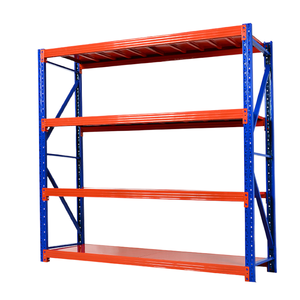
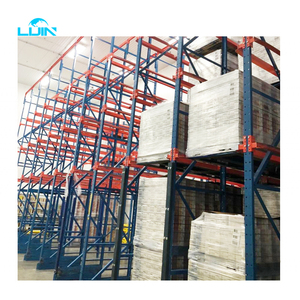
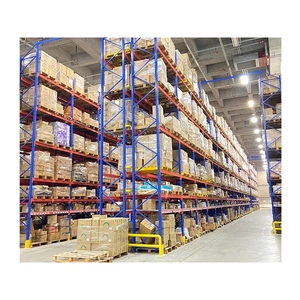
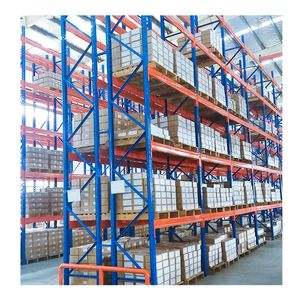
OEM/ODM Manufacturing Capabilities & Structural Engineering Depth
Delivering engineering excellence through advanced metallurgy, automated powder coating, and rigorous structural analysis designed for seismic zones, high-density distribution centers, and extreme cold-chain environments.
Structural Metallurgy & Certified Steel
We source certified high-tensile hot-rolled and cold-rolled Q235B and Q355B structural steel. Every production batch undergoes yield point verification, tensile testing, and chemical analysis to guarantee rated beam capacities up to 4,000kg per level under static and dynamic loading conditions.
Custom OEM/ODM Engineering
From tailored beam profile shapes and variable pitch upright punchings (50mm, 75mm, 76.2mm) to structural roll-formed hybrid configurations, our engineering team utilizes Finite Element Analysis (FEA) software to model exact load distributions and custom dimensions for global contract clients.
Automated Powder Coating Lines
Operating multi-million dollar fully automated electrostatic powder coating lines with 9-stage phosphate pre-treatment. This process delivers an ultra-durable, scratch-resistant thermosetting epoxy-polyester finish engineered to prevent oxidation in tropical humidity and high-salinity coastal environments.
Seismic Engineering & CSCR Compliance
Designing rack structures compliant with RMI (ANSI MH16.1), IBC code, and international seismic parameters (such as the Código Sísmico de Costa Rica). Base plates, anchor embedment depths, and frame bracings are mathematically optimized to handle intense lateral peak ground acceleration forces.
Optimized Knock-Down Freight Logistics
Engineered bolt-together upright frames and modular nested components maximize shipping container cube utilization by up to 35%. Reduces ocean freight expenditure and eliminates freight damage through customized heavy-duty export banding and wooden palleted bundling.
Full Lifecycle Support & Field Repairs
Providing comprehensive engineering documentation, certified load capacity plaques, and engineered bolt-on column repair kits. Our structural repair modules allow damaged upright frames to be restored in-situ without unloading entire bay structures, slashing maintenance downtime.
Industrial Whitepaper: Future Procurement Trends in Pallet Racking (2025–2030)
An executive analysis of evolving global supply chain strategies, total cost of ownership (TCO) shifts, automation integration, and sustainability imperatives in material handling procurement.
1. Transition from Standard Purchasing to Automated System Readiness (AS/RS)
Global supply chain bottlenecks and labor cost inflations are driving B2B buyers away from basic selective storage toward automated storage and retrieval system (AS/RS) integration. Future-proof procurement strategies mandate that conventional racking systems incorporate tighter manufacturing tolerances (within ±0.5mm variance), structural crane-runway attachments, and sensor-guided shuttle channels during initial factory fabrication, allowing seamless retrofitting of robotic shuttles as fulfillment demands scale.
2. Total Cost of Ownership (TCO) vs. Initial Steel Price
Enterprise procurement officers are moving beyond pure steel tonnage costs to evaluate total lifecycle value. High-durability thermosetting powder coatings, certified impact-resistant column base designs, and modular bolt-on frame repair kits are now core specs. Selecting heavier-gauge cold-rolled structural profiles reduces catastrophic fork-truck impact failures, reducing long-term structural maintenance costs by up to 42% over a 10-year operational lifecycle.
3. ESG Compliance, Circular Steel & Decarbonized Sourcing
Sustainability mandates under Scope 3 carbon reporting require industrial suppliers to provide transparent Environmental Product Declarations (EPDs). Global procurement standardizations now favor factories using electric arc furnace (EAF) recycled steel, VOC-free powder coatings, and zero-waste wastewater treatment in pre-treatment wash bays. Direct OEM/ODM factories capable of providing carbon-footprint tracing per steel metric ton gain a decisive competitive advantage.
4. Dynamic Seismic Resiliency & Geographic Engineering Standardizations
With expanding logistics hubs in high-seismicity regions across Latin America, Southeast Asia, and the Pacific Rim, buyers no longer accept static load tables. Modern procurement requires localized Finite Element Analysis (FEA) simulations based on site-specific soil classifications, concrete slab anchor pull-out limits, and local building safety codes (such as CSCR in Central America or Eurocode 8 in Europe). Direct factory OEM engineers are expected to collaborate directly with local structural engineering oversight bodies.
Product Development & Technological Advancements in Racking Design
Detailed technical breakdown of structural engineering innovations, steel profile optimizations, and high-density storage geometries transforming modern warehousing.
| Racking System Type | Structural Profile & Steel Grade | Optimal Density Rating | Inventory Rotation Strategy | Primary Industrial Applications |
|---|---|---|---|---|
| Selective Pallet Rack | Roll-Formed / Structural Q235B & Q355B | Medium (100% Direct Selectivity) | FIFO / LIFO Flexible | General Distribution, E-Commerce, FTZ Logistics Hubs |
| Drive-In / Drive-Thru Rack | Heavy-Duty Cold-Rolled Channel Steel | High Density (75% Cube Utilization) | LIFO (Drive-In) / FIFO (Drive-Thru) | Cold Storage, Agro-Export (Bananas, Coffee), Bulk SKU Loads |
| Pallet Flow Rack | Gravity Roller Tracks with Speed Controllers | Very High Density (Automatic Flow) | Strict FIFO (First-In, First-Out) | Pharmaceuticals, Perishable Foods, Date-Coded CPG Goods |
| Push Back Cart Rack | Nested Sloped Carts on Structural Rails | High Density (2 to 6 Pallets Deep) | LIFO (Last-In, First-Out) | Beverage Bottlers, High-Throughput Warehouse Staging |
| Portable Nestainer & Stacking Racks | Tubular Mild Steel / Detachable Posts | Flexible Bulk Stacking | Dynamic Floor Storage | Seasonal Overflow, Tire Storage, Temporary Textile Warehousing |
| Automated AS/RS Structure | Precision FEA High-Toleranced Structural Steel | Maximum Vertical Density (>25m Height) | WMS System-Controlled Automatic | Fully Automated High-Bay Fulfillment Centers, Cold Chains |
Frequently Asked Questions (FAQ) for Global Procurement Officers
Expert responses to critical engineering, OEM manufacturing, quality assurance, and international delivery questions.
1. What specific structural parameters are required to generate an accurate factory OEM/ODM quotation?
To produce a certified engineering drawing and exact OEM price quote, our engineering team requires: (1) Pallet specifications including width, depth, height, and maximum gross weight including pallet; (2) Warehouse building architectural layout showing clear height beneath roof trusses, column spacing, and door clearances; (3) Concrete slab specifications including slab thickness, concrete compressive strength (PSI/MPa), and rebar layout; (4) Material handling equipment (MHE) specs such as forklift minimum right-angle stack aisle width and maximum lift height; and (5) Local environmental factors including seismic zone ratings and operating temperature range (e.g., ambient vs. -28°C cold room storage).
2. How do high seismic parameters affect racking frame engineering and base plate design?
In high seismic acceleration regions (such as Central America, Japan, or western North America), racking cannot be designed purely for static vertical loads. Dynamic horizontal ground motion exerts intense overturning moments and shear stress on upright frames. Our structural engineers increase frame depth, utilize thicker steel gauges for columns and horizontal/diagonal bracing, enlarge base plate footprint surface areas, and specify heavy-duty wedge or chemical anchor bolts with certified embedment depths into concrete slabs according to RMI ANSI MH16.1 and local seismic codes (e.g., Código Sísmico de Costa Rica).
3. What is the difference between Q235B and Q355B steel, and which should I specify for my facility?
Q235B is a standard carbon structural steel with a yield strength of ~235 MPa, widely used for standard selective pallet racking and moderate-load warehouse applications. Q355B is a low-alloy high-strength steel with a yield strength of ~355 MPa. Specifying Q355B allows for lighter profile wall thicknesses while maintaining superior load capacity, making it ideal for high-bay racking systems over 8 meters tall, heavy-duty beam loads exceeding 3,000kg per level, and automated AS/RS tall-rack structures subject to extreme buckling forces.
4. Can direct factory custom paint finishes withstand tropical humidity and coastal salt-air corrosion?
Yes. Standard air-dried wet paints often peel and rust quickly in high humidity. Our factory utilizes a fully automated 9-stage electrostatic powder coating line. Components pass through degreasing, surface cleaning, zinc-iron phosphate pre-treatment, reverse-osmosis water rinsing, and high-temperature oven baking at 200°C. For coastal installations exposed to salt air, we offer upgraded hot-dip galvanizing (HDG) or specialized outdoor-grade thermosetting zinc-rich primer base coats that exceed 1,000 hours of continuous salt spray resistance testing (ASTM B117).
5. Why choose factory bolt-together upright frames instead of pre-welded upright structures?
Bolt-together upright frames offer two massive supply chain advantages: (1) Freight Efficiency: Disassembled knock-down (KD) frames pack flat into shipping containers, allowing up to 35% more tonnage per 40ft HQ container compared to rigid welded frames, significantly lowering ocean freight costs per pallet space; and (2) Maintenance Repairability: If a forklift damages a bottom upright column in an active aisle, a bolt-together design allows the single damaged column or diagonal brace to be unbolted and replaced with a certified repair kit, avoiding the immense cost of removing the entire upright frame.
6. What certifications and manufacturing standards govern your factory production?
Our production facilities operate strictly under ISO 9001:2015 Quality Management Systems and ISO 14001 Environmental Standards. All structural racking calculations, beam deflection limits (L/180 limit), and column safety factors comply with the Rack Manufacturers Institute (RMI) ANSI MH16.1 design code, European FEM 10.2.02 standards, and Australian AS4084-2012 specifications. Material test certificates (MTC) according to EN 10204 3.1 are provided with every steel shipment batch.
7. How are structural racking components bundled and protected for international ocean shipping?
Long-distance maritime transport subjects steel products to motion friction, condensation, and sea air. Our packaging process includes heavy-duty steel strapping, protective cardboard corner guards, heavy plastic stretch wrapping, and custom wooden bearer skids beneath bundle bases to facilitate rapid, safe forklift unloading at the destination port. Small hardware items such as safety lock pins, frame footplates, beam connectors, and anchor bolts are packed in heavy-duty reinforced wooden crates or steel drums.
8. How do you ensure safety pins and beam connections do not dislodge during aggressive forklift operation?
Beam end-connectors feature multi-claw high-precision steel stamped hooks that fit tightly into tapered column teardrop or diamond punchings. Once inserted, every beam connector requires a heavy-duty mechanical safety lock pin. Our patented automatic spring-lock pins automatically snap into position upon beam installation, preventing upward accidental dislodgement from uplift forces caused by careless forklift drivers lifting pallets prematurely.
Partner directly with an Engineered Racking Manufacturer
Consult with our senior structural engineers today. We provide full CAD facility layout planning, finite element analysis structural calculations, free product samples, and direct factory quotation for volume OEM contract projects.
Get a Quote