Heavy-Duty Industrial Storage Rack Systems
Engineered for maximum payload density, structural longevity, and seamless warehouse logistics integration.
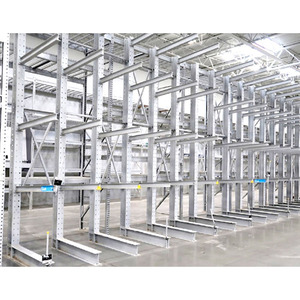
Industrial Cantilever Rack High Capacity Storage Solution for Steel Tube, Bar and Aluminum Profile Warehouses
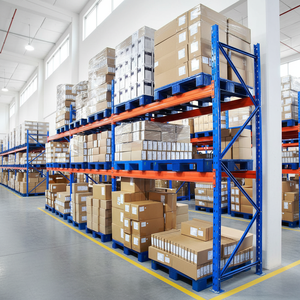
Heavy Duty Adjustable Corrosion Pallet Racking System Industrial Warehouse Storage Racks for Logistics E-commerce
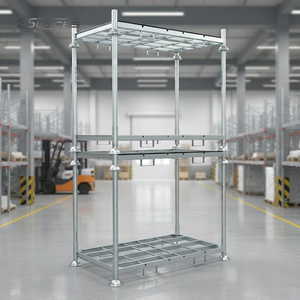
Customized Premium Material Heavy Duty Post Pallet Rack for Cold Warehouse
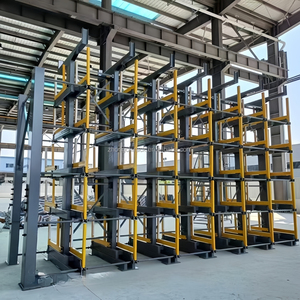
Stable Warehouse Steel Heavy Duty Powder Coated Cantilever Type Telescopic Hand Crank Storage Rack for Long Profiles Plate
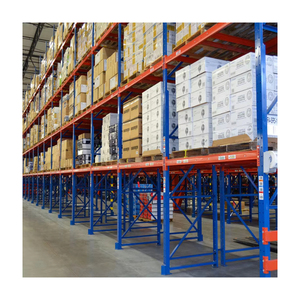
Wholesale Price Heavy Duty Storage Racks Warehouse Stacking Racks Selective Steel Pallet Rack Heavy-Duty Racking for Sale
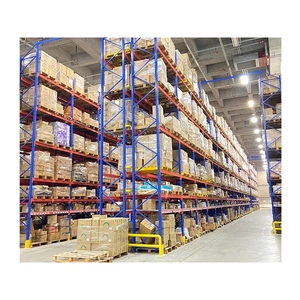
Warehouse Racking System Heavy Duty Industrial Steel Shelving Warehouse Pallet Racks for Sale
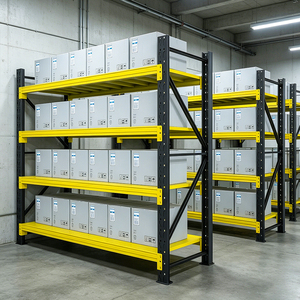
Warehouse Racking Pallet Rack warehouse Small Parts Shelves Tires Stacking Racks Shelves
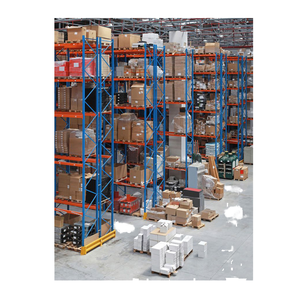
Factory Storage Heavy Duty Steel Detachable Pallet Racking Shelving for Industrial
Industrial Pallet Racking Structural Architecture & Engineering Benchmark
An authoritative evaluation of load-bearing calculations, metallurgy, and seismic design parameters for global supply chain procurement managers.
1. Structural Metallurgy & Load Dynamics in Industrial Pallet Storage Racks
In modern industrial logistics, specifying the correct storage racking architecture is a primary determinant of operational safety, cubic space optimization, and long-term capital expenditure efficiency. As premier wholesale industrial pallet storage racks suppliers and exporters in China, our manufacturing methodology integrates high-tensile cold-rolled structural steel, advanced finite element analysis (FEA), and strict compliance with international standards including ANSI MH16.1 (RMI), EN 15512, and AS 4084-2012.
The structural strength of a pallet rack system depends heavily on the chemical composition and yield strength of its underlying steel alloys. Our systems utilize premier prime structural steel—predominantly Q235B for standard load profiles and Q355B (equivalent to S355JR / ASTM A572 Grade 50) for heavy-duty upright frames subject to extreme vertical loads, elevated lift heights, or high-seismic forces.
Key Mechanical & Metallurgical Design Variables
- Cold-Formed Profile Precision: Upright columns are cold-roll-formed through up to 22 sequential forming stages, inducing work-hardening effects that raise local yield stresses at column corners and load-bearing punch profiles.
- Beam Connector Hook Kinematics: Heavy-duty beams feature multi-claw drop-in connectors equipped with automatic mechanical safety locks. These locks resist accidental upward dislodgement caused by forklift mast errors while providing joint rigidity (rotational stiffness) under dynamic lateral loads.
- Base Plate Shear Anchor Calculations: Base plates are engineered to evenly transfer vertical axial loads and lateral seismic shear forces into concrete slabs. Anchor embedment depths and slab thickness verifications are systematically calculated using anchor pull-out equations to prevent concrete cone failure.
Comparative Engineering Specification Matrix
To assist global procurement officers and logistics layout consultants in selecting optimal rack specifications, the table below outlines core engineering metrics across major structural racking typologies:
| Racking Architecture Typology | Standard Steel Alloy Grade | Typical Beam Span / Pallet Positions | Max Payload per Level (kg) | Direct Selectivity (%) | Primary Application Environment |
|---|---|---|---|---|---|
| Selective Pallet Racking | Q235B / Q355B Cold Formed | 2,300mm – 3,900mm (2-4 Pallets) | 1,000 – 4,500 kg/pair | 100% Direct Access | FMCG, E-Commerce Fulfillment, General Logistics |
| Drive-In / Drive-Thru Rack | Q355B Heavy Structural Profile | Continuous Deep-Lane Storage | 1,500 kg per Pallet Position | 20% - 30% (High Density) | Cold Warehousing, High-Volume Single SKU |
| Heavy Duty Cantilever Rack | Q355B Hot-Rolled H-Beam / Column | 1,000mm – 2,000mm Arm Lengths | 500 – 3,000 kg per Arm | 100% Linear Access | Steel Tubes, Aluminum Extrusions, Timber, Pipe |
| Push-Back Cart System | Structural Steel & Nested Carts | 2 to 6 Pallets Deep per Lane | 1,500 kg per Cart Position | 40% - 50% Selectivity | Buffer Storage, Seasonal Batch Warehousing |
| Post Pallet / Stacking Frame | Q235B Tubular Structural Steel | Stackable 4 to 6 Units High | 1,000 – 2,000 kg/unit | Batch-level Access | Cold Storage, Temporary Flexible Storage |
In-Depth Recommendations for Specialized Warehouse Systems
Matching industrial storage configurations to operational turnover, SKU diversity, and material handling equipment.
Selective Pallet Racking
The global benchmark for full SKU accessibility. Standard upright profiles feature 50mm or 75mm pitch adjustability, allowing vertical beam elevation customization to adapt to changing pallet deck heights. Engineered for both reach trucks and standard counterbalanced forklifts.
Heavy Duty Cantilever Storage
Specifically designed without front column obstructions to store non-standard, long-length loads such as steel profiles, PVC piping, and building materials. Features hand-crank telescopic options and heavy-duty structural H-beam bases for extreme weight loads.
Cold Storage Post Pallet Racks
Custom hot-dip galvanized or specialized anti-corrosion powder-coated stackable post racks designed for freezing environments down to -30°C. Eliminates rack aisle permanent footprints while preserving structural ductility under sub-zero thermal stress.
Future Global Procurement Trends in Industrial Storage Racking (2025–2030)
Key macroeconomic, technological, and environmental developments reshaping wholesale B2B racking procurement.
1. Integration with Automated Guided Vehicles (AGVs) & AS/RS Structures
The global warehousing market is rapidly transitioning from manual forklift labor toward automated crane-guided Automated Storage and Retrieval Systems (AS/RS) and AGV/AMR fleet integration. Procurement parameters are shifting from basic static load capacity toward extreme millimetric manufacturing tolerances, minimal vertical deflection deflection standards (L/300 to L/500), and rack-clad building structures.
2. Carbon-Neutral Steel Manufacturing & Environmental Governance (ESG)
International buyers across Europe, North America, and Australia now mandate strict environmental auditing. Wholesale exporters in China are leveraging green-energy steel mills, closed-loop electro-powder recycling systems, and scrap metal recovery to deliver verified low-carbon product lifecycles backed by ISO 14001 certification.
3. Modular Standardized Components
Global supply chain disruptions have spurred interest in universal beam-to-frame connector geometry. Interchangeable boltless frame systems allow quick expansion, localized maintenance replacement, and simplified multi-site deployment.
4. Seismic Resilience Engineering
Increasing adoption of strict regional building codes requires custom dynamic structural analysis. Suppliers must provide localized seismic zone calculations verifying column ductility and anchor bolt dynamic shear resistance.
5. Total Cost of Ownership (TCO) Prioritization
B2B buyers are moving past initial freight and FOB unit cost. Focus has turned to lifecycle durability, anti-scratch surface treatments, rapid bolt-on repair kit compatibility, and localized replacement part lead times.
Industry Evolution & Manufacturing Innovations in Chinese Racking Export Plants
How advanced automation and surface treatment chemistry deliver reliable quality at competitive wholesale prices.
Robotic Welding Systems
Multi-axis ABB and Panasonic robotic welding arms perform automated MIG/MAG fillet welds on beam end-connectors and base-plates, ensuring 100% consistent weld penetration without human error or thermal deformation.
Automated Powder Coating
State-of-the-art multi-stage pre-treatment lines (degreasing, phosphating, pure water rinsing) combined with electrostatic epoxy powder coating create uniform 60–80 micron surface barriers with salt spray resistance up to 500+ hours.
CNC Roll-Forming Precision
Fully automated continuous roll-forming lines feature inline optical laser inspection sensors. Punch hole pitch accuracy is held within ±0.1mm tolerances, guaranteeing effortless beam drop-in and perfect upright verticality during assembly.
Non-Destructive Testing
In-house mechanical laboratories conduct tensile coil testing, beam deflection verification under hydraulic loads, and weld ultrasonic testing to ensure compliance with strict export quality assurance requirements.
Why Source Wholesale Industrial Racking Direct From Our Factory
Direct manufacturer capabilities, full structural customizability, and end-to-end global export management.
Full OEM/ODM Engineering & Customization Flexibility
We do not simply produce static standardized racks; we deliver fully engineered structural storage systems tailored to your floor plan. Our engineering team utilizes 3D CAD modeling, FEA structural stress analysis, and structural layout simulation to maximize your usable storage cubic volume while keeping civil floor slab loading well within safe limits.
Comprehensive Quality Management & Global Compliance
Our manufacturing complex operates under strict ISO 9001:2015 quality management systems, ISO 14001 environmental standards, and ISO 45001 occupational safety frameworks. All components shipped overseas carry full material traceability certification, detailing raw steel mill heats, chemical compositions, and mechanical tensile test reports.
Frequently Asked Questions for Wholesale Industrial Racking Buyers
Expert responses addressing standard international procurement questions, structural safety, export packing, and technical specifications.
What structural information is required to generate an engineered pallet racking proposal and price quote?
To produce an accurate structural design, layout blueprint, and FOB/CIF quotation, our engineering team requires: (1) Pallet dimensions including width, depth, height, and gross weight per pallet; (2) Building floor plan showing clear ceiling height, column spacing, dock doors, and obstruction points; (3) Forklift model specifications, maximum lift height, and minimum turning aisle width requirements; and (4) Building concrete slab thickness and concrete strength class (e.g., C25/C30 grade).
How do China wholesale industrial pallet storage rack suppliers ensure structural compliance with international standards such as RMI or FEM?
Compliance is established through rigorous mechanical testing of cold-formed steel profiles, full weld quality inspection, and finite element modeling (FEA) calibrated to ANSI MH16.1 (RMI) or EN 15512 standards. Structural calculation reports verify column buckling resistance, beam deflection limits (not exceeding L/200 under full design load), frame stability, and baseplate anchor shear values.
What surface finish options are available for specialized warehouse environments like cold storage or coastal high-humidity sites?
For standard ambient warehouses, our high-durability electrostatic epoxy powder coating provides robust protection against scratches and impact. For cold storage (-30°C) or coastal environments exposed to high relative humidity or salt air, we offer specialized pre-galvanized profiles, hot-dip galvanizing (HDG complying with ISO 1461 with zinc thickness up to 60–80 microns), or zinc-rich primer base coats prior to powder coating.
How are long upright frames and heavy beams packed to prevent shipping damage during ocean container transport?
All upright frames, beams, and structural components are bundled using specialized steel strapping, corner edge protectors, heavy-duty wooden dunnage, and moisture-barrier plastic stretch film. Upright profiles are nested efficiently to maximize 40ft High Cube (40HQ) container utilization, preventing motion damage while speeding up forklift unloading at destination ports.
Can damaged rack upright columns be repaired on-site, or must the entire frame be replaced?
If forklift impact damage is isolated to the lower 0–600mm of a front column profile, certified bolt-on structural column repair kits or heavy-duty post protectors can restore upright frame load capacity without requiring complete dismantling of upper beam levels. However, if structural frame twisting, diagonal bracing buckling, or weld cracking is observed, that section of frame must be replaced immediately according to safety guidelines.
What lead times can buyers expect for custom wholesale OEM industrial racking projects?
Standard manufacturing lead times for customized heavy-duty pallet racking systems range from 15 to 25 calendar days following engineering drawing approval and deposit receipt. Lead times depend on total steel tonnage, specialized color requirements, and surface treatment finishes (e.g., hot-dip galvanizing vs powder coating).
Ready to Optimize Your Warehouse Storage Capacity?
Connect directly with our senior racking structural engineers to discuss customized factory-direct pricing, technical CAD layout design, and full export logistics support.